

Founding story
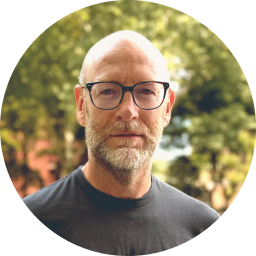
Fraser Patterson · Founder & CEO
September 2026
With 9 out of 10 contractors citing a shortage of workers, the construction industry today assumes the solution is to train more people or build machines to replace them. I founded Skillit because my own experience in construction led me to a different conclusion: I had been the skilled worker the industry fiercely needed but couldn’t see, and later the employer fiercely searching for workers I knew were out there.
Only 1 in 20 workers are actually missing from the labor pool. Construction, it turns out, isn’t fundamentally constrained by a labor shortage, but by a lack of digital access to the 95% it already has.
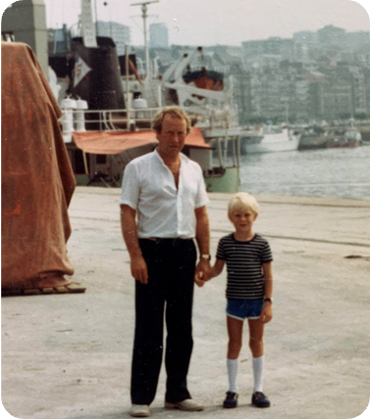
I started working on job sites with my father as a laborer at 11.
Because my father wanted me to have more opportunities than he did, he sent me to boarding school in Scotland, where I seemed destined for a desk job. But the moment I left school, I became an apprentice carpenter. That decision ultimately took me from working as a journeyman carpenter and high-rise steel worker, to eventually becoming a general contractor in New York — a path that, although highly rewarding, was brutal at times.
Despite having valuable craft skills, I struggled to find good, consistent work and took odd jobs so I could to support myself: bartending, gardening, painting portraits, even cutting hair. Along the way, I met countless other craft workers who were being routinely undervalued because their knowledge was expressed physically rather than behind a desk.
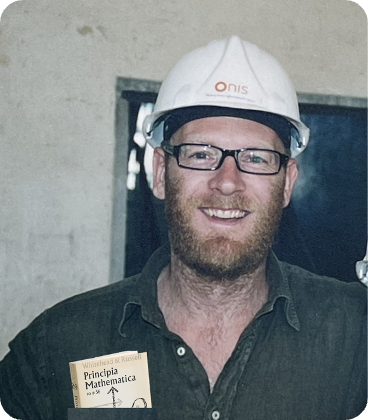
Today, there are millions of workers in the same position.
Skillit gives everyone with hard-earned skills instant visibility in the construction industry and access to the most important projects across America.
As the enormous opportunities unfolding in AI, energy, transportation, infrastructure, and space, creates incredible demand for craft, we work to ensure that craft is valued with better pay and safe working conditions, always. Never wonder when or where your next opportunity comes again: In our network, your skills, experience, certifications, projects, and reputation will travel with you throughout your career.
As always, our best work is ahead of us.
Fraser Patterson
Our guiding principles
Your skills should work as hard for you as you worked for them.
Build things that matter. Build a life that matters.
Every great project makes you more valuable for the next one.
America is about to build again. Make sure you’re part of it.
Your craft built America. Now let it build your future.