
Can Electricians Transition Into Solar? What JW and Master Electricians Need to Know
Quick Answer

Yes, and electricians are among the most sought-after workers in solar right now. Journeyman and master electricians can move into solar immediately, with no retraining required for most work. Your license covers the AC interconnection work that non-licensed solar installers cannot legally touch. Solar electricians earn $35 to $55 per hour in most US markets in 2026, with utility-scale projects and high-demand states pushing rates higher. The transition is straightforward. The demand is real.

Why Solar Contractors Want Electricians Specifically

Solar installation involves two distinct categories of work: the mechanical side (racking, panel placement, DC wiring runs) and the electrical side (AC interconnection, metering, switchgear, utility coordination). Non-licensed solar installers can handle the mechanical work. Only licensed electricians can legally complete the AC work in most states.

On residential systems, the AC scope is relatively small. On commercial and utility-scale projects, the electrical scope is substantial. Large solar farms require medium-voltage collection systems, transformer connections, substation work, and coordination with the utility interconnection team. That work requires licensed electricians, and there are not enough of them in solar right now.

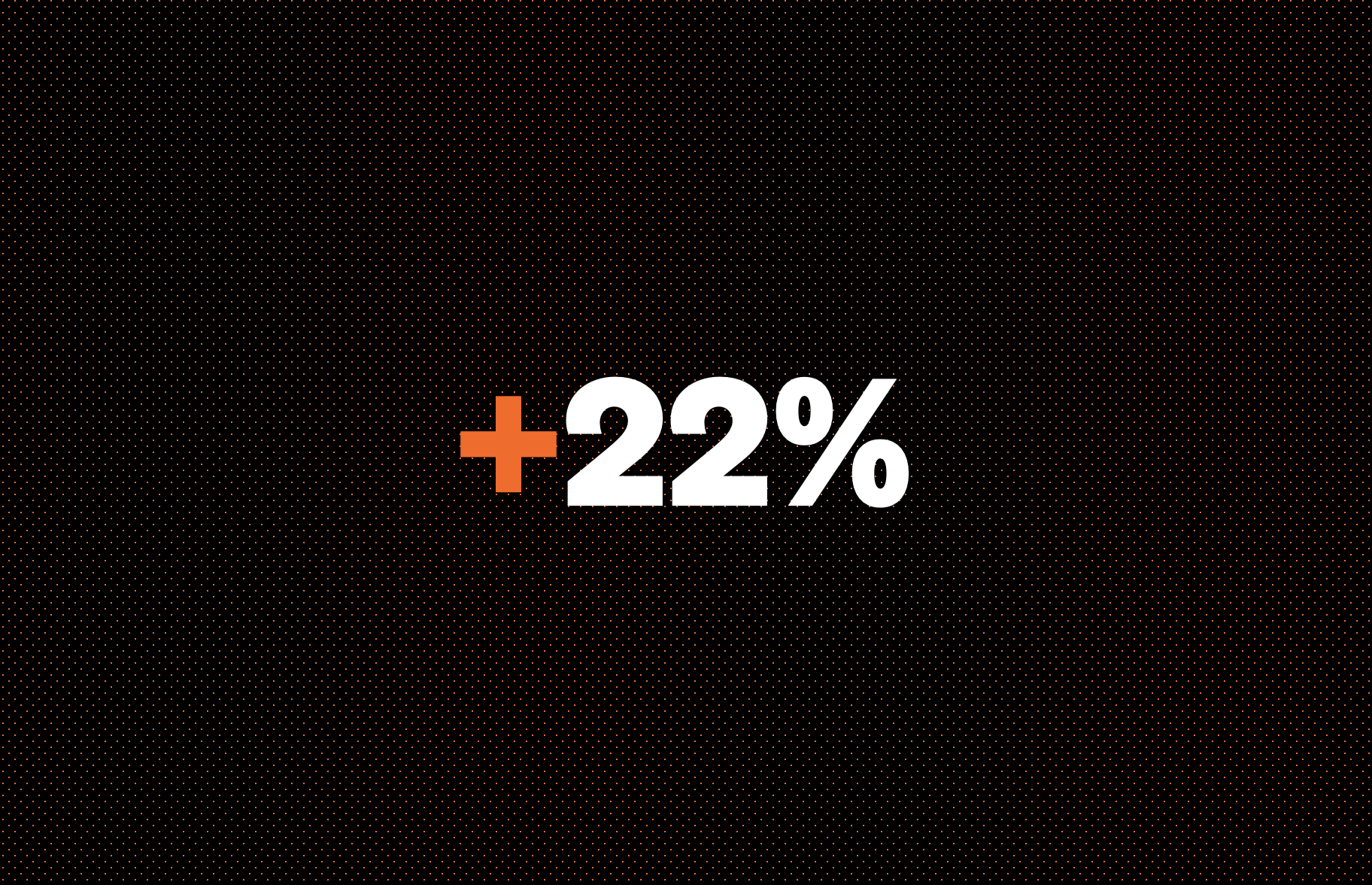
The US Bureau of Labor Statistics projects solar installer employment to grow 22 percent through 2032. Electricians with solar experience are at the intersection of two of the fastest-growing labor demands in construction.

Contractors cannot build fast enough without licensed electrical workers. That shortage is what drives the pay premium electricians command in solar compared to traditional commercial electrical work.

What the Work Actually Looks Like for Electricians in Solar

The specific tasks depend on which segment of solar you work in. Here is what to expect across the three main areas.

Table 1 · Solar Electrician Pay by Segment (2026)

Typical hourly rates for licensed journeyman electricians working in each solar segment in 2026. Excludes per diem, overtime, and benefits.

Segment JW Electrician Pay Master / Superintendent Pay Per Diem Available? OT Availability
Residential $28 – $38 / hr $35 – $48 / hr Rarely Limited
Commercial $34 – $48 / hr $45 – $62 / hr Sometimes Moderate
Utility-Scale $40 – $58 / hr $55 – $85 / hr Yes — $35 – $65 / day Frequent during peak phases

Pay ranges are for non-union work unless noted. Union markets (CA, NY, IL) may set JW scale at or above these ranges via CBA. Per diem at the utility-scale rate adds $8,750 to $16,250 annually based on 250 working days.

Residential Solar

Residential solar systems are relatively small. The electrical scope includes the AC disconnect, inverter wiring, main panel interconnection, and utility meter coordination. Most residential solar companies hire electricians for inspections and final connections rather than full-time field work, though some larger residential contractors staff full electrical crews.

  • Typical schedule: multiple sites per day

  • Pay at electrician level: $28 to $38 per hour, often lower than commercial or utility work

  • Best for: electricians who want local work with variety and no travel

Residential solar is the lowest-paying segment for electricians. If maximizing earnings is the goal, commercial and utility-scale are the right targets.

Commercial Solar

Commercial projects, rooftop or ground-mount systems on warehouses, schools, and large commercial buildings, involve more complex electrical scope. Electricians run feeders, work with larger inverters and combiner boxes, and coordinate with GCs on utility service upgrades. Projects last weeks to months.

  • Typical schedule: one project site for weeks or months

  • Pay at electrician level: $34 to $48 per hour

  • Best for: electricians who want project-based work without extended travel

Utility-Scale Solar

This is where electricians earn the most. Utility-scale solar farms cover hundreds of acres and require full medium-voltage collection systems, pad-mounted transformer connections, substation work, and SCADA integration. Projects run 6 to 24 months and are often in remote locations, which means per diem on top of your hourly rate.

  • Typical schedule: 10-hour days, 5 to 6 days per week during peak phases

  • Pay at electrician level: $40 to $58 per hour, plus $35 to $65 per day per diem

  • Best for: electricians willing to travel and put in longer hours for significantly higher total earnings

A journeyman electrician on a utility-scale solar project earning $46 per hour with per diem can clear $110,000 to $130,000 in a full work year including overtime. That is substantially above what most commercial electrical work pays.

JW Electrician vs. Master Electrician: What Changes in Solar?

Both journeyman and master electricians are in demand in solar, but the roles they fill differ.

Table 3 · JW vs. Master Electrician Roles in Solar

How the two license levels translate into solar project roles, pay, and career path in commercial and utility-scale work.

Factor Journeyman Electrician Master Electrician
Typical solar role Field electrician, lead electrician, electrical foreman Electrical superintendent, project manager, commissioning lead
Pay range (utility-scale) $40 – $58 / hr $55 – $85 / hr
Permit authority Works under contractor license Can pull permits independently (state dependent)
NABCEP value Adds modest pay lift; strengthens lead candidacy Strengthens commissioning and inspection role candidacy
Ramp-up time to full productivity 30 – 60 days 30 – 90 days (depends on project management scope)
Ceiling in solar Lead electrician, foreman, with experience: electrical superintendent Superintendent, project director, ownership / contracting

Pay ranges reflect 2026 US market data for non-union utility-scale solar. Union markets and high-cost states (CA, NY, MA) may set different floors. Master electrician permit authority varies by state licensing structure.

Journeyman Electricians

JW electricians do the field work. On solar projects, that means pulling wire, terminating connections, working with inverters and combiners, and completing medium-voltage splices on utility-scale projects. Your license qualifies you to do this work independently. Solar contractors will hire you directly into their electrical crew, often at journeyman or senior installer rates.

The practical difference from commercial electrical work is the equipment. Solar-specific hardware, inverters, combiners, DC disconnects, string monitoring, has its own learning curve. Most JW electricians are proficient within the first few weeks on a solar project.

Journeyman electricians transitioning to solar typically reach full productivity within 30 to 60 days. The code knowledge transfers directly. The equipment is new but not complicated.

Master Electricians

Master electricians are in demand for supervisory and commissioning roles on solar projects. On large commercial and utility-scale jobs, someone with a master license is often required to pull permits, supervise the electrical crew, and sign off on inspections. If you hold a master license, you are a candidate for electrical superintendent and project manager roles, not just field positions.

Solar contractors actively recruit master electricians for roles that include overseeing interconnection with utilities, managing electrical subcontractors, and coordinating with engineering teams on design review. These roles pay $55 to $85 per hour in major markets.

Master electricians who combine field experience with project oversight skills are among the highest-paid workers in utility-scale solar. Compensation at the superintendent level often includes salary, per diem, and performance bonuses on project delivery.

Does NABCEP Certification Matter for Electricians?

NABCEP (North American Board of Certified Energy Practitioners) is the main industry certification in solar. For non-licensed solar installers, NABCEP significantly boosts pay. For licensed electricians, the picture is more nuanced.

Your electrical license already validates your competency for most of what contractors care about. NABCEP adds solar-specific credentialing on top of that. It is most valuable in two scenarios:

  • You want to move into a design, commissioning, or inspection role where NABCEP is specifically required

  • You are competing for senior or lead roles on projects where the contractor values formal solar credentials alongside electrical experience

NABCEP PV Installation Professional certification adds $3 to $8 per hour for non-licensed solar installers. For licensed electricians, the pay lift is smaller because your license already covers the core competency gap. However, NABCEP can strengthen your candidacy for lead and superintendent roles.

The NABCEP PV Associate credential is a lower-barrier entry point. For electricians transitioning to solar, it signals solar-specific knowledge without the full field-hour requirement of the Installation Professional exam. The exam fee is $100.

How Electrician Pay in Solar Compares to Traditional Commercial Work

Table 2 · Solar Electrician vs. Traditional Commercial Electrician: Pay Comparison by Market (2026)

Journeyman electrician hourly rates comparing commercial/industrial electrical work to utility-scale solar in selected US markets. Non-union rates unless noted.

Market Commercial Electrical (JW) Utility-Scale Solar (JW) Hourly Gap Annual Diff. (2,000 hrs)
Texas $36 – $44 $44 – $54 +$6 – $12 +$12,000 – $24,000
Arizona $34 – $42 $42 – $52 +$6 – $12 +$12,000 – $24,000
Nevada $38 – $48 $46 – $56 +$4 – $10 +$8,000 – $20,000
Florida $32 – $42 $40 – $52 +$6 – $12 +$12,000 – $24,000
California $48 – $62 (union scale) $50 – $62 Roughly even Minimal base gap; per diem still adds value on out-of-area projects

Annual difference calculated on base hourly rate only at 2,000 hours. Does not include per diem, overtime, or benefits differential. California comparison uses prevailing union scale for commercial electrical; solar rates are for non-union utility-scale work.

This is the question most electricians have when considering the transition. The short answer is that solar pays more in most scenarios, particularly at the journeyman level on commercial and utility-scale projects.

Traditional commercial electrical work for a JW in a major market runs $38 to $52 per hour depending on whether the work is union or non-union and the specific market. Solar electrician pay in the same markets runs $40 to $58 per hour on commercial and utility-scale projects, with per diem adding $8,000 to $16,000 annually on out-of-town utility jobs.

The gap is smaller in strong union markets where commercial electrical scale is already high. It is larger in right-to-work states and markets where non-union solar contractors compete aggressively for licensed electrical workers.

In states like Texas, Nevada, Arizona, and Florida, non-union solar electrician pay regularly exceeds union commercial electrical scale, sometimes by $5 to $10 per hour. Workers in those markets have a strong financial case for the transition.

How to Make the Transition: Practical Steps

Transitioning from commercial electrical work to solar is not complicated. The main steps are positioning yourself correctly and getting in front of the right contractors.

  • Update your resume to highlight project types that translate to solar: large commercial, industrial, medium-voltage, substation, or any renewable work.

  • Get OSHA 30 if you do not already have it. Many solar contractors require it for electrical supervisors and leads.

  • Consider the NABCEP PV Associate exam if you want to signal solar-specific readiness to contractors before your first solar project.

  • Target utility-scale and commercial solar contractors directly rather than going through general staffing agencies, which typically take a cut of your rate.

  • Be specific about your license class and state when talking to solar contractors. Master license holders should clarify which states their license is active or transferable to.

Workers who build a complete Skillit profile with their license class, certification history, and project type experience get contacted by solar contractors directly. [INTERNAL LINK: Skillit solar electrician jobs]

The fastest path into solar for most electricians is a direct connection with a utility-scale or commercial solar GC that is actively staffing a project in your region or willing to put you on per diem for out-of-state work.

FAQ: Electricians Transitioning to Solar

Can a journeyman electrician work in solar without additional training?

Yes. Your journeyman license qualifies you for the AC electrical work on solar projects in most states. You will need to learn solar-specific equipment, inverters, combiners, string monitoring systems, but most JW electricians are fully productive on solar within 30 to 60 days. No additional formal training is required before your first project.

Do electricians need NABCEP certification to work in solar?

No. NABCEP certification is not required for electricians to work in solar. Your electrical license already covers the core competency that NABCEP validates for non-licensed installers. NABCEP can strengthen your candidacy for lead and superintendent roles and may add a modest pay premium, but it is not a prerequisite for the transition.

How much do solar electricians make compared to commercial electricians?

Solar electricians earn $40 to $58 per hour on commercial and utility-scale projects in most US markets in 2026. Traditional commercial electrical work for JW electricians runs $38 to $52 per hour in major markets. The gap is larger in right-to-work states and grows significantly when utility-scale per diem is included, often adding $8,000 to $16,000 per year for out-of-town projects.

What types of solar projects hire the most electricians?

Utility-scale solar is the largest employer of licensed electricians in solar. These projects require medium-voltage collection systems, transformer work, and substation connections that only licensed electricians can perform. Commercial solar is the second-largest segment. Residential solar uses electricians primarily for final AC connections and inspections rather than sustained full-time crews.

Is solar work seasonal for electricians?

Utility-scale and commercial solar construction runs year-round in most Sun Belt markets. In northern states, project schedules slow in winter but rarely stop entirely. Electricians with mobility and willingness to travel can stay fully employed year-round by following project pipelines across markets. Per diem makes this financially attractive compared to staying local.

Can a master electrician get into project management in solar?

Yes, and this is one of the strongest career paths for master electricians transitioning to solar. Utility-scale and large commercial solar projects need electrical superintendents and project managers who understand code, permitting, and utility interconnection. Master electricians who add project management experience can earn $55 to $85 per hour or move into salaried superintendent roles.

Do I need to transfer my electrical license to work solar in another state?

It depends. Many states require a state-specific journeyman or master license to pull permits and supervise electrical work. Some states have reciprocity agreements. For utility-scale solar, which often involves long out-of-state project runs, electricians frequently work on projects where a licensed contractor holds the permit and individual workers operate under that license. Clarify the license requirements with the specific contractor before committing to an out-of-state project.

How do I find solar contractors hiring electricians right now?

The most direct route is building a profile on Skillit, which connects licensed electricians with commercial and utility-scale solar contractors. You can also search directly for ENR Top 400 solar GCs and their subcontractors, many of which post openings on their own sites. Avoid general staffing agencies when possible as they typically reduce your effective hourly rate.

Related Articles

Find Solar Electrician Jobs on Skillit

Skillit connects licensed electricians directly with commercial and utility-scale solar contractors. Build a free profile with your license class, certifications, and project experience, and let contractors find you for the work that fits your skills.

Create a free Skillit profile

Previous
Previous

NABCEP Certification: Is It Worth It for Solar Installers in 2026?

Next
Next

How to Become a Solar Installer: The Career Path from Helper to Lead