Drywall Finisher Career Guide: Salary, Skills, Training & Job Outlook
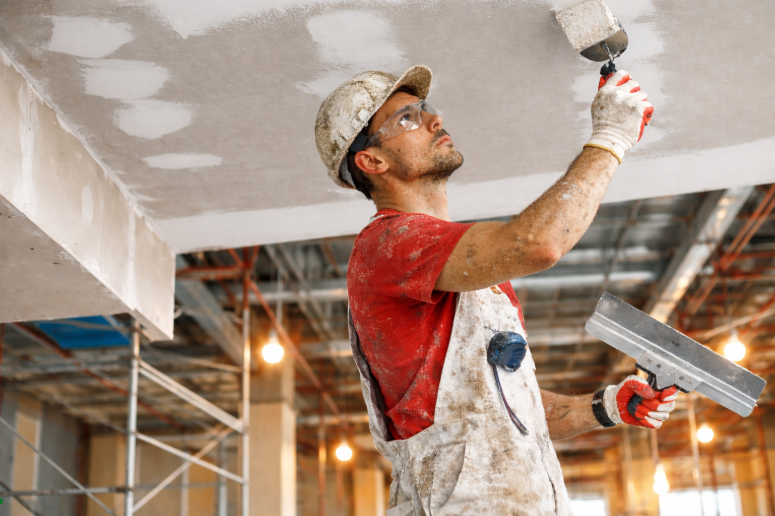
If you’re considering a drywall finisher career, you’re looking at a skilled trade that transforms raw construction into smooth, paint-ready walls and ceilings. It’s hands-on work that rewards precision. When the job is done right, no one notices the seams. When it’s not, everyone does.
This guide covers what drywall finishers do, how to become one, salary expectations, required skills, and the job outlook across the U.S.
What Is a Drywall Finisher?
A drywall finisher is responsible for the final surface of interior walls and ceilings. After drywall panels are installed, finishers tape the seams, apply joint compound, sand surfaces smooth, and prepare everything for paint or texture. Installers hang the drywall. Finishers make it look complete.
Drywall finishers commonly work on:
Residential construction and remodels
Commercial offices and retail spaces
Schools, hospitals, and public buildings
The role demands patience and attention to detail. Clean, smooth surfaces are the standard, not the exception.
Key Responsibilities on the Job
On a typical day, a drywall finisher may:
Apply tape and joint compound to seams and corners
Build multiple coats for a uniform finish
Sand surfaces to remove imperfections
Repair cracks, dents, or water damage
Prepare walls and ceilings for paint or texture
The type of project often determines the pace and complexity of the work, whether it’s a residential remodel or a large commercial build-out.
Common tools include taping knives, mud pans, corner tools, sanding blocks, and mechanical sanders. Speed improves with experience, but accuracy always comes first.
How to Become a Drywall Finisher
If you’re researching how to become a drywall finisher, the good news is that the path is straightforward. Most people enter the trade through hands-on experience rather than formal education.
Common entry points include:
Apprenticeships
Entry-level helper roles
Trade or vocational programs
What matters most is practical training on real job sites.
Apprenticeships and On-the-Job Training
A drywall apprenticeship allows you to earn while learning from experienced professionals. You start with basic tasks and gradually take on full finishing responsibilities.
Over time, you develop stronger drywall finishing skills, improve efficiency, and gain confidence working independently.
Some states require licensing for certain commercial projects. Requirements often apply at the contractor level, but checking local regulations is always wise.
When you’re ready to find steady work, you can connect directly with employers actively hiring through a skilled trades job matching platform. Instead of relying on word-of-mouth, you can access real job opportunities based on your experience and availability.
Essential Drywall Finishing Skills
Strong drywall finishing skills separate average work from professional results. The best finishers combine technical ability with consistency and reliability.
Technical Skills
Successful drywall finishers know how to:
Apply joint compound evenly
Feather seams so they blend cleanly
Sand surfaces without damaging the board
Match textures during repair jobs
Read basic construction plans
Precision makes the difference between a job that passes inspection and one that needs rework.
Soft Skills
Technical ability matters, but employers also look for:
Reliability and strong work ethic
Physical stamina
Time management on active construction sites
Clear communication with contractors and crew members
Construction schedules move quickly. Being dependable keeps projects on track.
Drywall Finisher Salary: What Can You Earn?
A drywall finisher's salary varies based on experience, location, and whether the role is union or non-union.
Across the U.S., typical earnings look like this:
Entry-level: mid $30,000s to low $40,000s annually
Mid-career: $45,000 to $60,000
Experienced professionals: $65,000 or more in high-demand markets
Hourly rates generally range from $18 to $35 or higher, depending on skill level and region.
Union roles may offer structured wage progression and benefits. Non-union roles may provide flexibility and performance-based increases. In areas where contractors compete for skilled workers, pay often rises accordingly.
Experience and efficiency directly influence earning potential.
Drywall Finisher Job Outlook
The drywall job outlook remains steady, supported by continued construction and renovation activity.
Demand is driven by:
New residential housing
Commercial development projects
Remodeling and repair work
Public infrastructure improvements
Many regions face skilled labor shortages as experienced workers retire. That creates opportunities for trained drywall finishers entering the workforce today.
Where Demand Is Growing
Stronger demand often appears in:
Fast-growing metro areas
Regions with expanding housing markets
States investing in commercial construction and infrastructure
Finishers who are open to relocation or travel may find more consistent opportunities.
Is a Drywall Finisher Career Right for You?
A drywall finisher's career involves physical work, steady focus, and attention to detail. It’s not a desk job. It’s hands-on and results-driven.
If you enjoy working with your hands, take pride in visible results, and want a path that doesn’t require years of college debt, drywall finishing offers a practical entry into the skilled trades.
The trade rewards skill, reliability, and experience.
For those ready to build experience and connect with hiring employers, drywall finishing provides a clear path forward. With steady demand and competitive pay potential, it remains a strong option within the construction industry.