The Fastest Trades to Get Into With No Prior Experience
Quick Answer
The fastest trades to break into with zero experience are construction laborer, concrete work, roofing, and flagging/traffic control. These roles hire directly, train on the job, and can get you earning $18–$24/hr within weeks. If you want a licensed trade with real long-term earning power, HVAC, electrical, and plumbing apprenticeships accept no-experience applicants and pay you while you learn—most start within 30–90 days of applying.
If You’re Starting From Zero, Construction Is One of Your Best Moves
The trades have a problem most industries would kill for: they need workers more than workers need credentials. Across commercial, industrial, and civil construction, employers are actively looking for people who show up, work hard, and are willing to learn. Prior experience helps, but it is not the gatekeeper it used to be.
This guide breaks down which trades get you working fastest, what you can realistically earn as a beginner, and how long it takes to move from applicant to paycheck. No filler. Just what you need to make a decision.
Trades You Can Enter This Week (No License Required)
Some construction roles exist specifically for entry-level workers. They are physically demanding, but they pay from day one and teach you how job sites work. Think of them as your on-ramp into the trades.
Construction Laborer
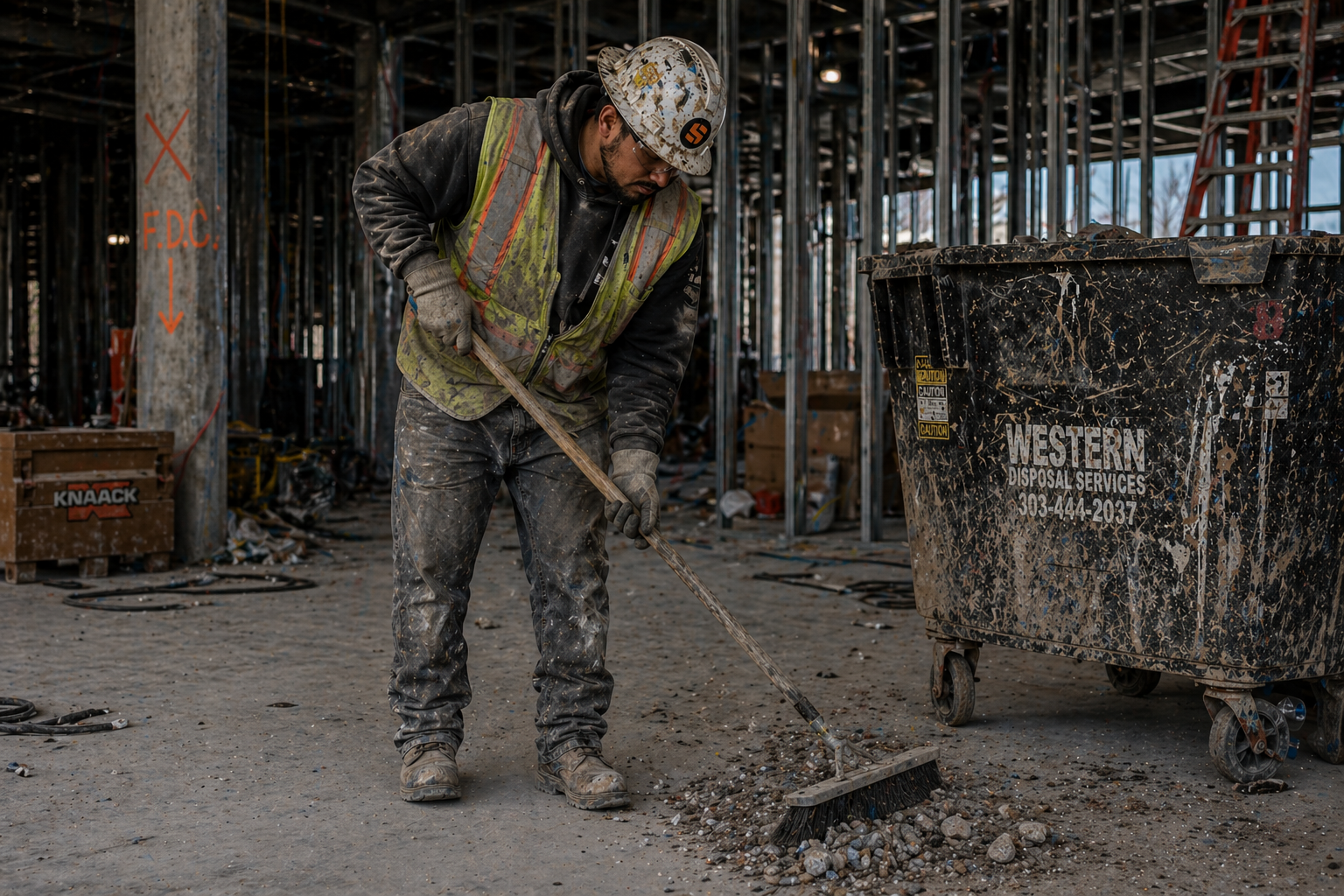
Laborers are the backbone of every commercial and civil job site. You carry materials, operate hand tools, prep work areas, and support the skilled trades above you. No certification required to start. Many contractors will hire you if you can pass a drug screen, show a valid ID, and demonstrate basic fitness.
Construction laborers earn $18–$28/hr in most U.S. markets, with union labor starting higher in cities like Chicago, New York, and Los Angeles.
The Laborers’ International Union of North America (LIUNA) also runs a formal apprenticeship program. If you land a union laborer job, you may be automatically enrolled. That gives you wage increases on a set schedule and benefit eligibility without any upfront cost to you.
Concrete and Masonry Work
Concrete finishing, formwork, and masonry require physical endurance and attention to detail, but most contractors will train the right person on the job. Entry points include working as a concrete laborer (pouring, screeding, cleanup) before moving into finishing or form-setting roles.
Concrete laborers typically start at $17–$22/hr. Skilled concrete finishers earn $25–$40/hr once they develop their technique.
Roofing
Roofing crews hire constantly, especially in warm-weather markets. The work is physical and weather-dependent, but roofing has one of the shortest paths from no experience to a real paycheck. Most entry-level positions are hired directly by roofing subcontractors. Expect to spend your first weeks carrying shingles, loading materials, and learning safety protocols.
Roofing laborers start at $16–$22/hr. Experienced roofers and foremen earn $28–$45/hr in high-demand markets.
Flagging and Traffic Control
Flagging is the easiest entry point in civil construction. Most states require a flagger certification, but many employers will pay for your training before your first shift. The course typically runs four to eight hours. Once certified, you can work road construction, utility projects, and infrastructure jobs.
Flaggers earn $16–$22/hr in most markets. Certifications often cost under $100 and can be completed in a single day.
Apprenticeship Trades: Slower Start, Bigger Ceiling
If you are willing to wait 30–90 days to get into a formal program, the licensed trades offer the best long-term earnings in construction. You do not need prior experience to apply. You need to be 18, have a high school diploma or GED, and pass basic math in some cases.
You will earn wages while you train. Year-one apprentice pay is usually 40–50% of journeyman scale, which still puts most apprentices above minimum wage.
HVAC (Heating, Ventilation, and Air Conditioning)
HVAC is one of the most in-demand trades in commercial and industrial construction. It includes sheet metal work, refrigeration, and controls. Most apprenticeship programs run four to five years, but you start earning immediately and receive raises at each level.
HVAC apprentices start at $18–$24/hr. Journeyman HVAC technicians earn $28–$55/hr depending on specialty and market.
Electrical
Electricians are needed on every major commercial and industrial build. Union electrical apprenticeships (IBEW) and non-union programs both accept no-experience applicants. The apprenticeship runs five years but is structured so you are working and earning the entire time. Overtime is common.
Electrical apprentices typically earn $18–$26/hr to start. Journeyman electricians average $35–$60/hr, with foremen and estimators earning more.
Plumbing and Pipefitting
Plumbing and pipefitting cover commercial and industrial systems: water, gas, fire suppression, and process piping on large-scale builds. These are well-paying trades with strong union presence. Most apprenticeships are five years.
Pipefitter apprentices start at $20–$28/hr in most U.S. markets. Journeyman pipefitters regularly earn $40–$70/hr in industrial and refinery settings.
Trade Entry Comparison: Speed vs. Earning Potential
Use this table to weigh how fast you can start against where you can end up.
| Trade | Time to First Paycheck | Starting Pay Range |
|---|---|---|
| Construction Laborer | 1–2 weeks | $18–$28/hr |
| Roofing Laborer | 1–2 weeks | $16–$22/hr |
| Concrete Laborer | 1–2 weeks | $17–$22/hr |
| Flagger / Traffic Control | 1–5 days (after cert) | $16–$22/hr |
| HVAC Apprentice | 30–90 days | $18–$24/hr |
| Electrical Apprentice | 30–90 days | $18–$26/hr |
| Plumbing / Pipefitting | 30–90 days | $20–$28/hr |
Union apprenticeships pay more at the start than most non-union entry roles and include benefits—health insurance, pension, and overtime—from the first year. Learn more about apprenticeships here.
What Actually Gets You Hired With No Experience
Contractors are not hiring résumés. They are hiring bodies they can trust. Here is what actually moves the needle when you have no background in the trades.
Show up on time and in the right gear. Work boots, a hard hat if you own one, and PPE-ready clothes signal that you take the work seriously.
Pass the drug test. Most commercial and industrial job sites have mandatory pre-hire screens. Failing is an automatic disqualification.
Get your OSHA 10 card. A 10-hour OSHA certification takes about a day online and costs around $30. It tells employers you understand job site safety basics. Many require it before your first shift.
Apply to union halls directly. LIUNA, IBEW, UA (plumbers), and UA pipefitters all have local halls that accept applications without prior experience. These are not résumé reviews. You show up, register, and wait for dispatch.
Build a verified skills profile. Platforms like Skillit let you document your certifications, trade experience, and availability so contractors can find you, not the other way around.
OSHA 10 certification can be completed in one day online for around $30 and is required on most commercial and industrial job sites. Learn more about OSHA certificates here.
Choosing the Right Trade for You
Speed to first paycheck is not the only variable. Think through these before you commit.
Physical demands
Roofing and concrete work are among the most physically demanding jobs in construction. If you have a back issue or joint problems, laborer work and flagging are lower-impact starting points. HVAC and electrical involve less heavy lifting over the long term once you are skilled.
Indoor vs. outdoor
Roofing, flagging, and civil work are almost entirely outdoors. HVAC and electrical offer more indoor work on commercial projects such as office buildings, hospitals and data centers.
Union vs. non-union
Union work typically pays more, includes benefits, and has formal wage progression. Non-union contractors may hire faster and offer more flexibility. Both paths lead to real careers. The right answer depends on your market and which contractors are active in your area.
Long-term ceiling
Laborer and roofing roles cap out lower than licensed trades unless you move into supervision or project management. If you want to maximize lifetime earnings, a licensed trade—HVAC, electrical, plumbing—is worth the slower start.
FAQ
What is the easiest trade to get into with no experience?
Construction laborer is the easiest entry point. No license, no certification required in most states. You can be hired within days and trained on the job. Flagging is also fast as certification takes just one day.
Can I get into an apprenticeship with zero construction experience?
Yes. IBEW, LIUNA, UA, and most other union apprenticeship programs accept applicants with no prior construction experience. The requirements are typically age 18+, a high school diploma or GED, and passing a basic math test in some programs.
How long does it take to get an HVAC job with no experience?
You can apply to HVAC apprenticeships immediately. Most programs start new classes quarterly. Expect 30–90 days from application to your first day on the job.
Do construction apprenticeships pay while you train?
Yes. All union apprenticeships pay wages from day one. Starting pay is typically 40–50% of journeyman scale, with raises at each apprenticeship level, usually every 6–12 months.
What certifications should I get before applying for construction jobs?
OSHA 10 is the single highest-value certification for entry-level workers. It is cheap (around $30), fast (one day online), and required on most commercial job sites. A flagger certification is worth adding if you want civil or road construction work.
Is roofing a good trade to start with?
Roofing gets you working fast and pays reasonably well for entry-level work. It is physically demanding and weather-dependent. It is a solid starting point, but if long-term earning potential matters to you, consider using roofing as a bridge while you apply to a licensed trade apprenticeship.
What is the highest-paying trade I can get into with no experience?
Pipefitting and industrial HVAC offer the highest long-term earning potential for workers starting with no experience. Journeyman pipefitters earn $40–$70/hr in industrial and refinery settings. The catch: you need to complete a 4–5 year apprenticeship first.
How do I find construction jobs with no experience near me?
Apply directly to union hall dispatch lists (LIUNA, IBEW, UA) in your area. Check with local contractors for direct hire laborer and roofing positions. Build a verified profile on Skillit so contractors searching in your market can find you based on your certifications, availability, and trade interest.
Start Building Your Trade Career on Skillit
Contractors on Skillit are actively searching for workers in your area—including people new to the trades. Build a free profile that shows your certifications, location, and trade interests. Let the work come to you instead of chasing job boards.
Workers with a complete Skillit profile are matched directly to contractors hiring in their trade and market—no application required.
Build your Skillit profile here.