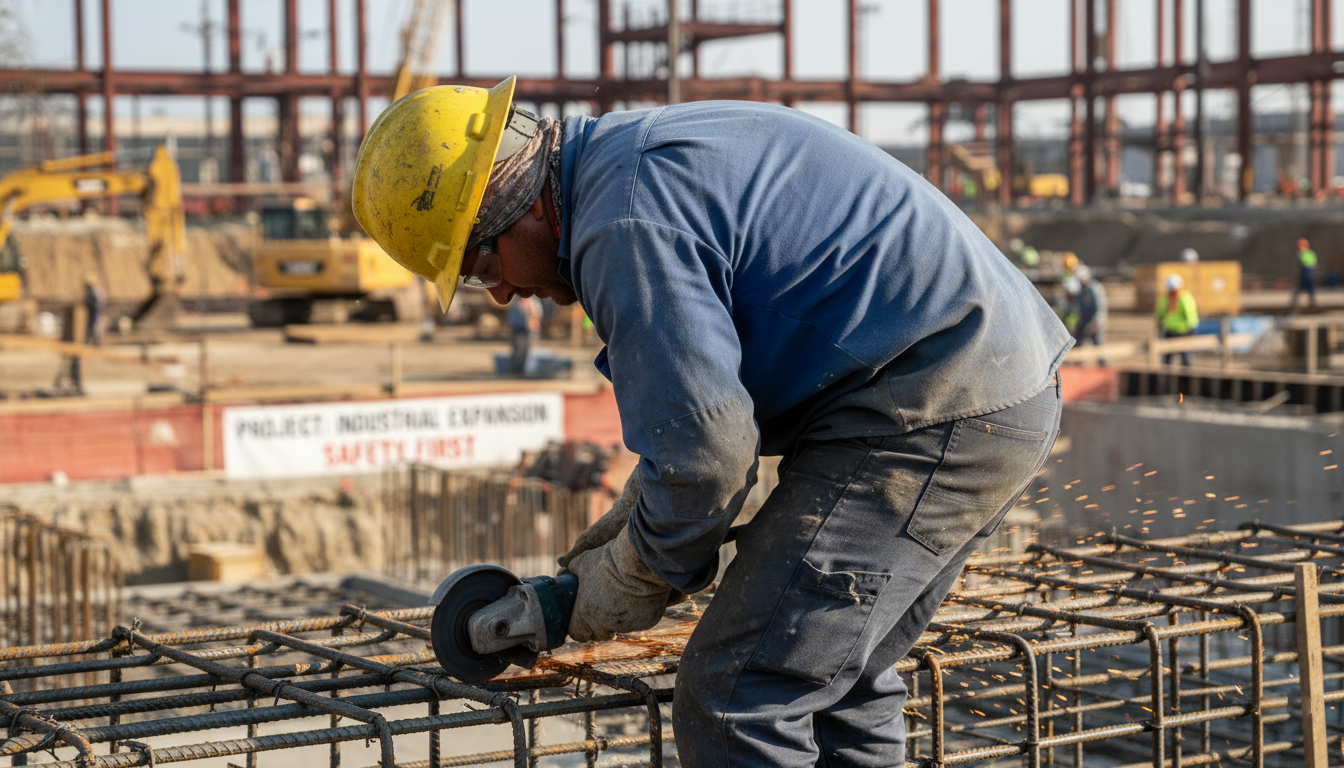
Every project starts with a plan, but it’s the people on-site who make that plan real. In construction, labor isn’t just another expense—it’s the heart of the budget. Knowing what skilled workers truly cost can make or break a project’s profit margin.
Why Labor Costs Rule Every Construction Budget?
Labor usually makes up 30–50% of total construction costs. That number jumps even higher for specialized trades like electricians, welders, or HVAC technicians.
Misjudging this can ruin a bid. Underestimate and you’ll bleed money mid-project. Overestimate and you’ll lose the job to a cheaper competitor.
Smart builders know the key lies in accuracy—understanding local wage trends, benefits, and the real costs behind every hour worked.
The Hidden Layers Behind Hourly Pay
A worker’s hourly wage is only the surface. The real cost of a construction worker often runs 50–150% higher than base pay once you add taxes, benefits, and indirect costs.
Here’s what drives that:
Base Pay & Overtime: Skilled trades earn more due to experience, risk, and certification.
Payroll Taxes & Insurance: Employers pay Social Security, Medicare, and workers’ comp—roughly 10–15% extra.
Benefits: Health insurance, retirement plans, and paid time off can add another 20%.
Training & Certification: Ongoing safety courses and compliance add recurring expenses.
Recruiting & Retention: Advertising jobs, interviewing, and onboarding new hires increase total cost.
Downtime & Turnover: Absences and slow productivity eat into profit.
A mason earning $30 an hour might actually cost $55–$60 an hour after all expenses. Multiply that across dozens of workers, and labor control becomes the cornerstone of project success.
What Drives Construction Labor Costs Higher?
Labor costs fluctuate for many reasons. Here are the biggest factors shaping construction workforce expenses in 2025:
1. Location Matters
Wages shift dramatically by region. In cities like New York or San Francisco, pay rates can be 30–50% higher than smaller towns. A certified electrician might make $50 an hour in California but only $30 in the Midwest. Contractors working across multiple states must adjust bids accordingly.
2. Skill and Certification
Higher skill equals higher pay. Electricians, welders, and crane operators are expensive because their work demands precision and carries higher safety risks. Certified workers must also pay for license renewals and regular safety training.
3. Tight Deadlines and Complex Projects
Fast-track schedules mean more overtime, fatigue, and sometimes costly mistakes. When teams rush, accidents rise—and so do expenses.
4. Workforce Shortages
The U.S. construction industry faces a shortfall of over 400,000 skilled workers. Companies now offer sign-on bonuses, travel pay, and premium wages just to fill positions. The talent gap drives up every other cost.
5. Training and Safety Investments
Safety programs and continuous training reduce accidents, but they cost money upfront. Still, companies that invest in people save more in the long run through higher retention and fewer incidents.
Why Is Skilled Labor Worth Every Dollar?
Skilled trades are the backbone of construction quality. Electricians, HVAC techs, and steelworkers bring experience that can’t be replaced easily. Their average hourly pay has climbed over 30% in the last decade, with many earning $40–$50 an hour in 2025.
Why pay more for skill? Because it pays off.
Experience: Skilled workers complete jobs faster and safer.
Quality: Fewer errors mean less rework.
Safety: Experienced workers reduce accident risks.
Union Standards: In unionized areas, wages and benefits are set through agreements that ensure fairness and training consistency.
Paying more for quality labor often saves thousands later in avoiding mistakes and downtime.
The True Cost of Recruiting a Craft Worker
Finding qualified tradespeople isn’t cheap. The average recruiting cost per hire in construction is about $1,900, but that’s only part of the story.
Recruiting expenses include:
Job ads and online postings
Recruiter or HR time
Background checks and skills testing
Onboarding, safety training, and orientation
If a worker quits within months, the cycle—and the cost—start again. Add lost productivity, overtime, and delays, and the total cost per worker can easily double
Construction Worker Pay Rates in 2025
Here’s a quick snapshot of national averages:
| Role | Low | High | Average |
|---|---|---|---|
| General Laborer | $18/hr | $28/hr | $23/hr |
| Carpenter | $25/hr | $31/hr | $31/hr |
| Electrician | $30/hr | $38/hr | $41/hr |
| HVAC Tech | $28/hr | $50/hr | $36/hr |
| Welder | $42/hr | $45/hr | $34/hr |
| Heavy Equipment Operator | $29/hr | $46/hr | $37/hr |
Labor costs keep rising about 4–5% per year, outpacing inflation. With new infrastructure projects and renewable energy growth, demand for skilled trades won’t slow anytime soon.
Smart Ways to Control Workforce Costs
Cutting labor costs doesn’t mean paying workers less—it means managing smarter. Leading construction firms use these strategies:
Digital Recruiting Tools: Use job-matching platforms to reduce hiring time.
Referral Bonuses: Reward current employees for bringing in new talent.
Apprenticeships: Build long-term pipelines with trade schools.
Retention Incentives: Offer milestone or completion bonuses to keep workers longer.
Cross-Training: Multi-skilled teams reduce the need for extra hires.
When companies focus on people, efficiency goes up—and total costs go down.
Conclusion:
The cost of hiring craft workers is high, but it’s also the foundation of a successful build. Labor costs reflect more than paychecks—they represent safety, skill, and craftsmanship.
Contractors who understand these expenses, plan ahead, and invest in their teams don’t just finish projects on time. They build stronger reputations, safer sites, and lasting trust. In construction, the smartest investment isn’t in materials—it’s in people.