


Where can I find construction jobs that match my skills?
Most workers don’t struggle because jobs aren’t available. They struggle because they’re looking in the wrong places or applying to roles that don’t match their skills.
The demand for a construction job in the United States is strong, but finding the right opportunity that matches your skills can feel overwhelming.
Whether you’re just starting out or already experienced in construction worker jobs, the key is knowing where to look, what roles fit your abilities, and how to position yourself.
This guide breaks down how to find construction jobs, where the real opportunities are, and how to land the best roles based on your skills.
Understanding how the construction job market actually works
Before you start applying, it’s important to understand how hiring works in construction. It is very different from office-based industries.
Most construction worker jobs are not filled through traditional job boards alone. Instead, hiring happens through a mix of:
Specialized hiring platforms
Contractor networks
Referrals and word-of-mouth
Apprenticeship pipelines
Local unions and trade organizations
That’s why many job seekers struggle. They rely only on generic platforms and miss out on the majority of opportunities.
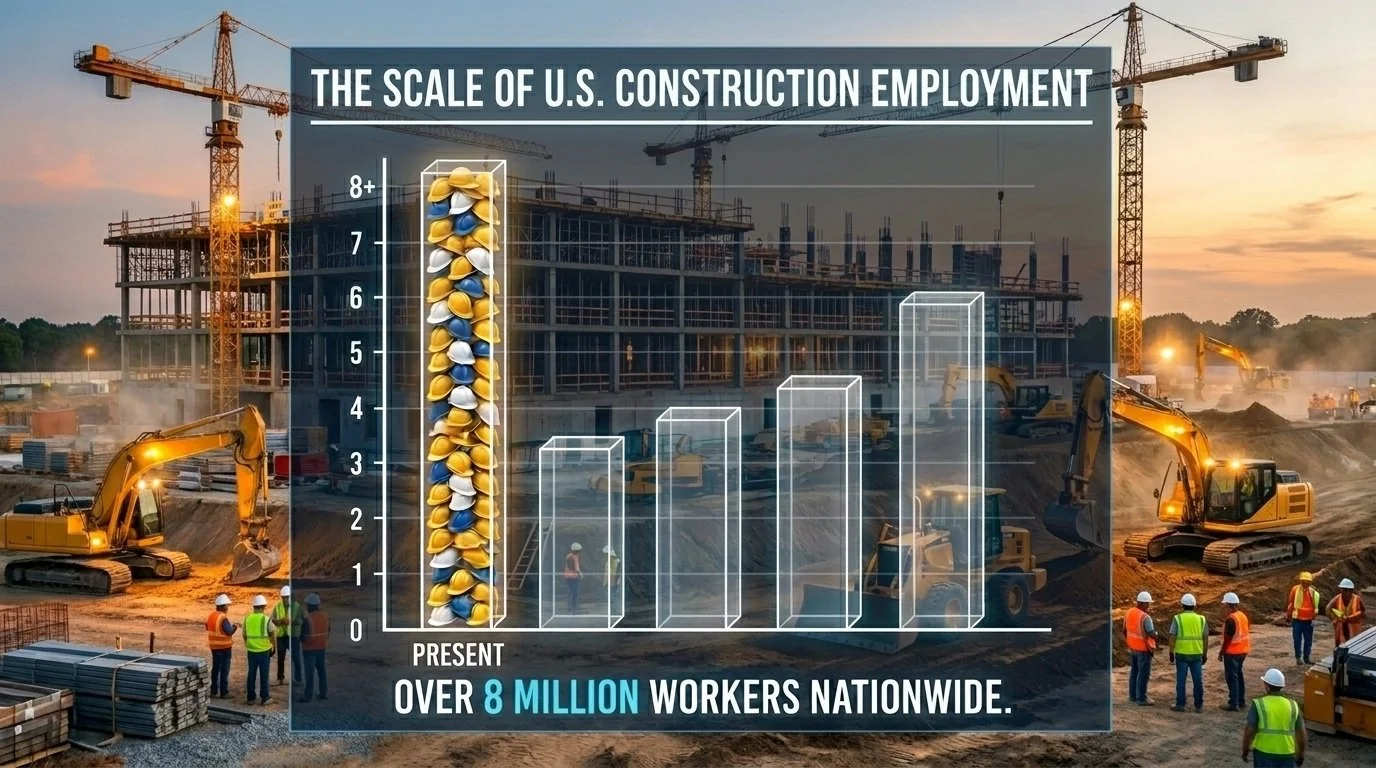
The scale of construction employment in the U.S.
The numbers help explain why this industry is so important:
Over 1.6 million construction laborer and helper jobs exist in the U.S.
Employment is projected to grow faster than average over the next decade
Roughly 149,000 job openings per year are expected for laborers and helpers alone
Total construction-related roles generate over 600,000 openings annually
This includes everything from entry-level labor to highly specialized trades.
Types of construction jobs and how they match your skills
To effectively find construction jobs, you need to understand where your skills fit. Not every job requires the same level of experience, and applying to the wrong category wastes time. Let’s break it down clearly.
Entry-level construction worker jobs
If you’re new to the industry, entry-level roles are your starting point. These jobs focus on basic tasks but are essential to every project.
Typical roles include:
General laborer
Construction helper
Site preparation worker
Material handler
These construction worker jobs usually involve:
Cleaning and preparing job sites
Loading and unloading materials
Assisting skilled tradespeople
Using basic hand and power tools
One important advantage: most of these roles require little to no formal education. Training happens on the job, which makes them accessible.
However, they are physically demanding. Workers often lift heavy materials, work outdoors, and handle long hours.
Skilled construction worker jobs
Once you gain experience or complete training, you can move into skilled construction worker jobs. These roles are more specialized and come with higher pay.
Common skilled trades include:
Electricians
Carpenters
Plumbers
Welders
HVAC technicians
These jobs require:
Technical knowledge
Trade-specific training
Certifications or licenses (in many cases)
The key difference is that skilled workers are not just assisting. They are responsible for critical parts of the project.
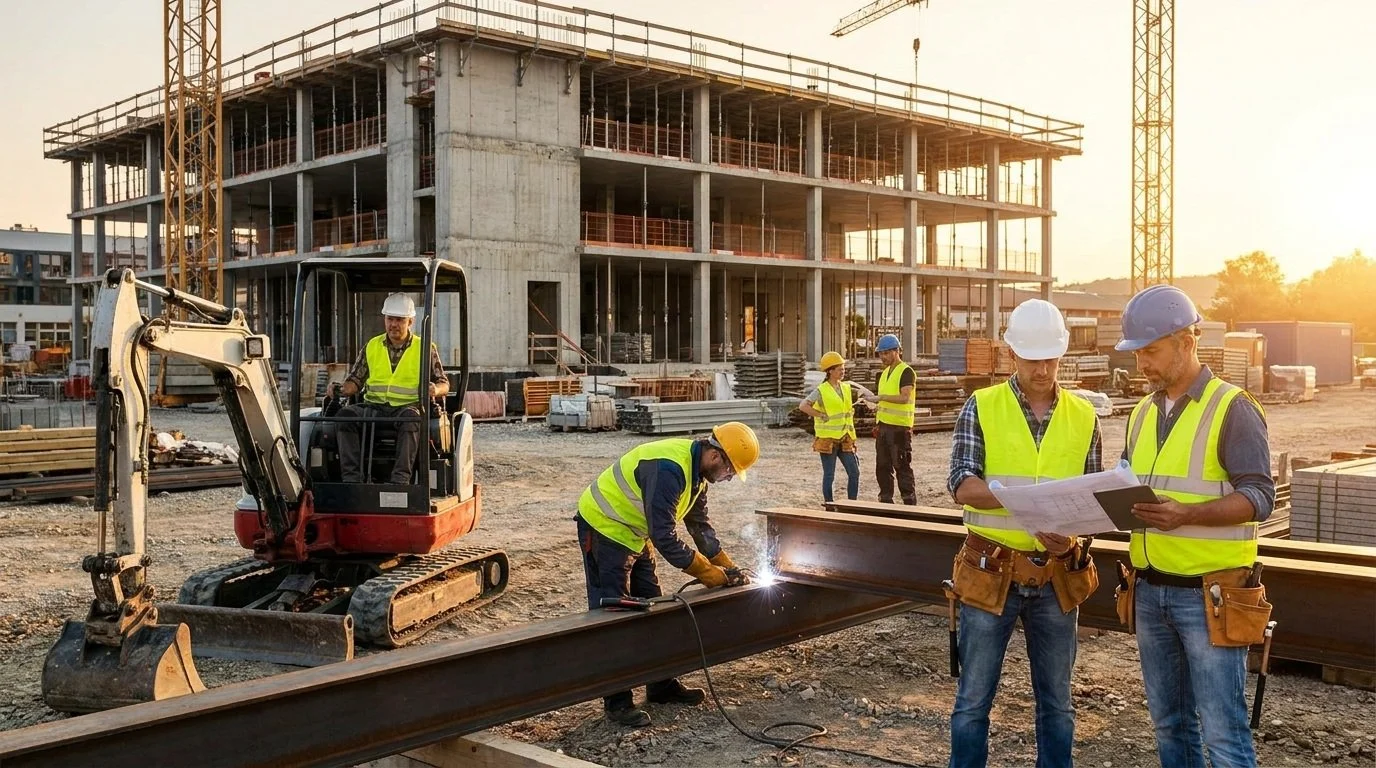
High paying construction jobs
Not all construction roles pay equally. Some positions offer significantly higher wages due to complexity, risk, or demand.
Here’s a breakdown:
| Role | Why it pays more | Typical earnings |
|---|---|---|
| Electrician | Licensing + technical work | $60K – $80K+ |
| Heavy equipment operator | Specialized machinery skills | $55K – $75K+ |
| Construction manager | Leadership + planning | $80K – $100K+ |
| Plumber | High demand + technical skill | $60K – $85K+ |
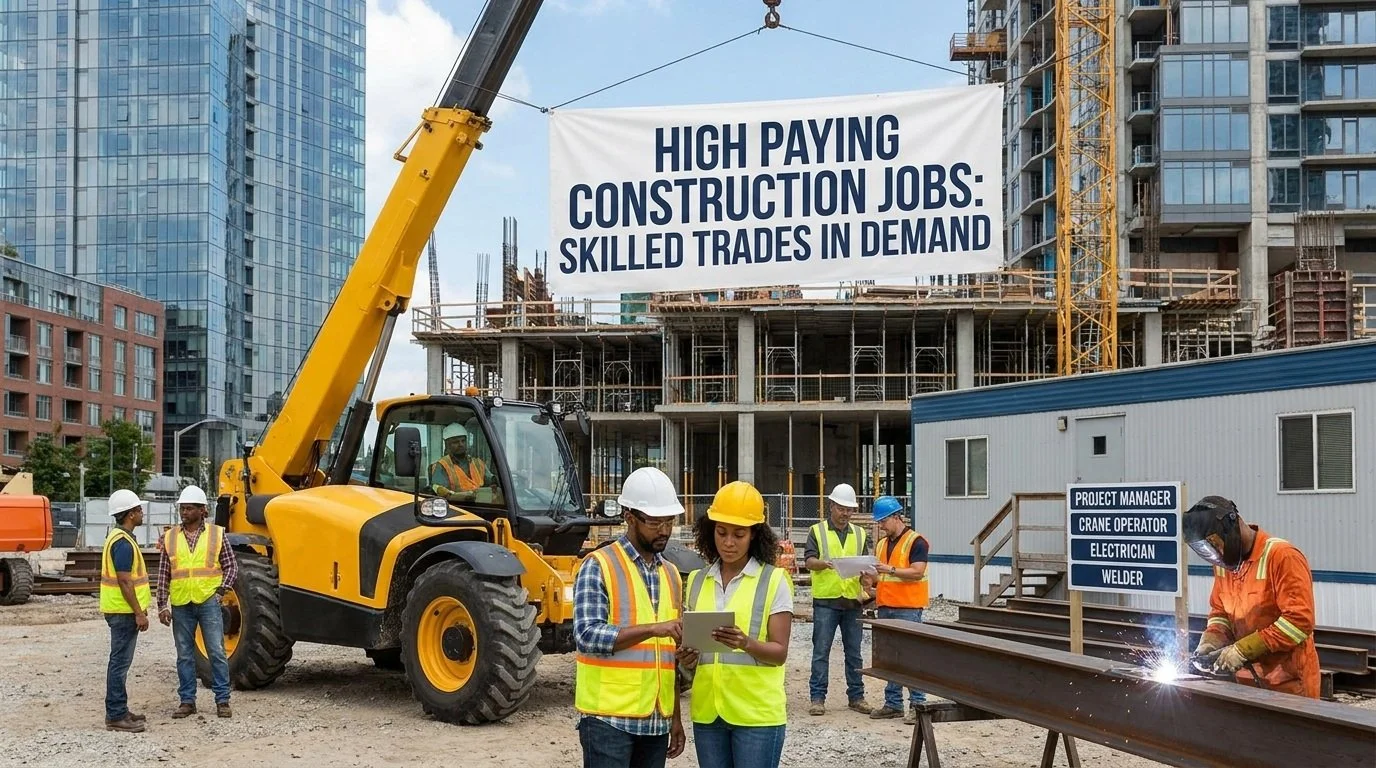
These high paying construction jobs usually require:
Several years of experience
Certifications or apprenticeships
Strong safety knowledge
In-demand specialized roles
If you want better job security and pay, focusing on high-demand roles is a smart move.
Electricians are consistently in demand across the U.S. They handle electrical systems in homes, commercial buildings, and infrastructure projects.
Why demand is strong:
Growth in renewable energy
Expansion of data centers
Infrastructure upgrades
These electrician construction jobs often require licensing but offer long-term stability.
Electrician construction jobs
These workers operate machinery like:
Bulldozers
Excavators
Cranes
They are essential for large-scale projects such as highways and commercial developments.
Heavy equipment operator jobs are attractive because:
They pay well
They require specialized skills
They are always needed on major projects
Heavy equipment operator jobs
Carpenters work on structures, frameworks, and finishing elements.
You’ll find carpenter job openings in:
Residential construction
Commercial buildings
Renovation projects
Carpentry offers flexibility because you can work for companies or independently.
Carpenter job openings
Plumbers install and maintain systems for:
Water
Gas
Drainage
Plumbing construction jobs are in constant demand because every building requires these systems.
Finding the right construction job starts with knowing your skill level and targeting the roles that match it. Whether you’re exploring entry-level construction worker jobs or aiming for high paying construction jobs, focusing on the right category will help you move faster and get better results.
Plumbing construction jobs
Common challenges when trying to find construction jobs
Even with strong demand, job seekers often face challenges when trying to find construction jobs that match their skills.
1. Skill mismatch
Applying for roles that don’t match your experience often leads to rejection. Focus on jobs that align with your skill level, whether entry-level or skilled construction worker jobs.
2. Lack of visibility
If your skills are not clearly presented, employers may overlook you. A strong, skill-focused profile helps you stand out and get noticed faster.
3. Slow response times
Traditional job boards can be slow. Since construction hiring moves quickly, delays in responses can cost you real opportunities.
4. Limited access to real opportunities
Many jobs are not publicly listed. Relying only on general job boards means you may miss out on better, more relevant roles.
5. Competition for better roles
High paying construction jobs often attract experienced candidates. Without clear skills or certifications, it can be harder to stand out.
Finding the right construction job is not just about applying more, but applying smarter. When you understand these challenges and use the right approach, you can improve your chances of getting hired faster and in roles that truly match your skills
How to find construction jobs that actually match your skills
Now let’s answer the main question: how to find construction jobs that fit your experience. This is where most people go wrong. They apply randomly instead of following a structured process.
Step 1: Start with a clear skill assessment
Before you search, define:
What experience you have
What tools or equipment you can use
Whether you have certifications
What type of work environment you prefer
Here’s a simple framework:
| Your Experience | Best Job Types |
|---|---|
| No experience | Laborer, helper roles |
| 1–3 years | Carpenter, equipment operator |
| 3+ years | Skilled trades, supervisors |
This step alone can save you hours of wasted applications.
Step 2: Use the right platform (this is where most people fail)
If you rely only on general job boards, you’ll miss a large number of opportunities. Construction hiring is different. Employers want workers who already match their requirements. They don’t want to filter hundreds of irrelevant applications.
This is exactly why Skillit is the best solution.
Why Skillit is the best way to find construction jobs
Skillit is designed specifically for the construction industry. Instead of forcing you to search endlessly, it connects you directly with jobs that match your skills.
Here’s what makes it stand out:
1. Skill-based matching
Unlike traditional platforms, Skillit focuses on:
Your trade
Your experience level
Your certifications
This means you see only relevant construction worker jobs and skilled construction worker jobs.
2. Faster hiring process
Construction companies often need workers quickly. Skillit helps speed up hiring by:
Matching you directly with employers
Reducing unnecessary applications
Highlighting your skills clearly
3. Access to real opportunities
Many jobs in construction are never posted widely. Skillit helps you access:
Verified employers
Active job openings
Opportunities across multiple states
4. Covers all major roles
Whether you’re looking for:
electrician construction jobs
heavy equipment operator jobs
carpenter job openings
plumbing construction jobs
Skillit brings everything into one place.
5. Built for construction workers, not general job seekers
This is the biggest difference.
Most platforms are designed for office jobs. Skillit is built specifically for people in construction. That makes the experience simpler and more effective.
Comparing job search methods
Here’s a quick comparison of different ways to find a construction job in the USA:
| Method | Pros | Cons | Best For |
|---|---|---|---|
| General job boards | Large number of listings | Not skill-specific | Entry-level roles |
| Recruitment agencies | Personalized help | Slower process | Senior roles |
| Networking | Strong connections | Limited reach | Experienced workers |
| Skillit platform | Fast, targeted, AI matching | Requires profile setup | All skill levels |
What employers are really looking for in construction workers
Understanding employer expectations can give you a major advantage.
Basic requirements
For most construction worker jobs, employers expect:
Physical stamina
Reliability
Ability to follow instructions
Basic tool knowledge
Advanced skills for better roles
To move into higher-paying positions, you need:
Trade-specific expertise
Safety training (OSHA certifications)
Equipment handling skills
Blueprint reading
Soft skills that matter more than you think
Many people overlook this, but employers value:
Communication
Teamwork
Problem-solving
Construction is team-based work. Being easy to work with can improve your chances of getting hired.
Where construction jobs are growing the fastest
Location plays a big role when you try to find construction jobs.
High-demand regions
States with strong construction activity include:
Texas
California
Florida
New York
These areas have ongoing:
Infrastructure projects
Housing developments
Commercial construction
Urban vs rural opportunities
| Location | Opportunities | Type of Work |
|---|---|---|
| Cities | High | Commercial, infrastructure |
| Rural areas | Moderate | Residential, local builds |
Seasonal impact
In colder states, construction may slow down during winter. Warmer states offer more consistent work year-round.
How to create a construction resume that gets you hired
If you want to stand out while applying for a construction job, your resume needs to be simple, clear, and focused on skills. Construction employers do not want long, complicated resumes. They want to quickly see what you can do.
What to include in your resume
A strong construction resume should include:
Your trade or specialization
Years of experience
Tools and equipment you can use
Certifications (OSHA, licenses, etc.)
Types of projects you’ve worked on
Here’s a practical example:
This kind of structure makes it easier for employers to match you with construction worker jobs or skilled construction worker jobs.
Tailor your resume for each role
This is where many candidates lose opportunities.
If you’re applying for:
electrician construction jobs → highlight wiring, systems, certifications
heavy equipment operator jobs → list machinery you’ve operated
carpenter job openings → show project types and materials
plumbing construction jobs → include systems and installations
You don’t need to rewrite everything. Just adjust your skills section based on the job.
Keep it short and practical
Construction resumes should be:
1 page (2 max if experienced)
Easy to scan
Focused on skills, not long descriptions
Employers often review dozens of applications quickly. Clarity matters more than style
| Section | Example |
|---|---|
| Job Title | Carpenter |
| Experience | 4 years residential + commercial |
| Skills | Framing, drywall, blueprint reading |
| Certifications | OSHA 10 |
| Equipment | Power saws, drills |
Step-by-step plan to find construction jobs faster
If you’re serious about landing a role, you need a system. Random searching leads to slow results. Here’s a practical step-by-step plan to find construction jobs efficiently.
Step 1: Define your target role
Start with clarity. Choose:
Entry-level or skilled role
Trade (if applicable)
Preferred location
Example:
“I’m looking for heavy equipment operator jobs in Texas with 2+ years of experience.”
This helps you focus your search.
Step 2: Build a strong profile on Skillit
This is your most important step. Skillit works differently from traditional job boards. Instead of applying endlessly, you create a profile that highlights your skills.
Make sure your profile includes:
Accurate experience
Certifications
Trade specialization
Work availability
This allows Skillit to match you directly with relevant construction job opportunities.
Step 3: Apply strategically, not randomly
Instead of applying to 50 jobs, focus on:
Roles that match your experience
Employers actively hiring
Jobs aligned with your trade
This increases your response rate significantly.
Step 4: Follow up
Many candidates skip this step.
After applying:
Follow up within 3–5 days
Show interest and availability
Keep communication simple
This can make a big difference, especially in construction hiring.
Certifications that can boost your construction career
| Certification | Why it matters | Best For |
|---|---|---|
| OSHA 10 / OSHA 30 | Required for many job sites | All construction worker jobs |
| NCCER Certification | Recognized trade credential | Skilled construction worker jobs |
| CDL (Commercial Driver's License) | Required for operating certain vehicles | Heavy equipment operator jobs |
| Electrical License | Mandatory in most states | Electrician construction jobs |
| Plumbing License | Required for advanced roles | Plumbing construction jobs |
If you want to move from basic roles into high paying construction jobs, certifications can make a big difference. Many employers in the U.S. prioritize workers who already meet safety and compliance standards.
Most valuable certifications in construction
The convergence of AI and construction is a fundamental reshaping of how we build the digital world.
Salary insights for construction jobs in the USA
Understanding pay helps you choose the right path. Here’s a more detailed breakdown of common roles:
| Job Type | Entry-Level Pay | Experienced Pay |
|---|---|---|
| General laborer | $30K – $40K | $45K+ |
| Carpenter | $40K – $55K | $70K+ |
| Electrician | $45K – $60K | $80K+ |
| Plumber | $45K – $60K | $85K+ |
| Heavy equipment operator | $40K – $55K | $75K+ |
Construction laborers alone earn a median of about $46,000 per year, according to official U.S. data, with strong growth projected over the next decade.
What affects your salary
Your earnings depend on:
Skill level
Certifications
Location
Type of project
Years of experience
For example:
Urban projects often pay more
Specialized skills lead to higher wages
Certifications increase earning potential
Your earning potential in a construction job depends on how you grow your skills over time. By gaining experience, earning certifications, and targeting the right roles, you can move from basic construction worker jobs to more stable and high paying construction jobs.
Future trends in construction jobs you should know
If you’re planning long-term, it’s important to understand where the industry is going.
1. Increased demand for skilled workers
There is a growing shortage of skilled labor.
This means:
More opportunities for trained workers
Higher wages for specialized roles
Faster hiring for qualified candidates
2. Growth in infrastructure and commercial projects
Large-scale projects are increasing demand for:
heavy equipment operator jobs
electrician construction jobs
Project supervisors
3. Technology in construction
New tools and systems are changing the industry:
Digital blueprints
Automated equipment
Project management software
Workers who adapt will have better opportunities.
Safety standards are becoming stricter.
This increases demand for workers with:
OSHA certifications
Formal training
Compliance knowledge
The future of the construction job market favors skilled, adaptable workers. If you stay updated, build your expertise, and focus on in-demand roles like electrician construction jobs or heavy equipment operator jobs, you’ll have better access to stable and long-term opportunities.
Conclusion
The construction industry in the United States offers real, stable opportunities for workers at every level. But success depends on how you approach your job search.
If you want to stand out and move faster:
Know your skills
Target the right roles
Use the right platform
Stay consistent
Most importantly, stop relying on outdated methods.
Skillit gives you a smarter, faster way to find construction jobs that actually match your experience. Instead of wasting time searching, you can focus on getting hired.
Frequently asked questions
How do I find construction jobs in the USA?
You can find construction jobs by using specialized platforms, networking with contractors, joining trade unions, and applying through apprenticeship programs. Platforms like Skillit make it easier by matching you directly with jobs based on your skills and experience.
What is the best way to find construction worker jobs?
The best way is to focus on your skill level and use platforms built specifically for construction hiring. Instead of applying randomly, target jobs that match your trade, experience, and location.
Are construction jobs in demand in the USA?
Yes, construction jobs are in high demand across the United States. Ongoing infrastructure projects, housing development, and labor shortages continue to create strong demand for both entry-level and skilled workers.
What are the highest paying construction jobs?
Some of the highest paying construction jobs include electricians, plumbers, heavy equipment operators, and construction managers. These roles require specialized skills and often certifications.
Do I need experience to get a construction job?
No, many entry-level construction worker jobs require little to no experience. Roles like general laborer or helper allow you to learn on the job and gain experience over time.
Where can I find electrician construction jobs?
You can find electrician construction jobs through trade-specific platforms, apprenticeship programs, and specialized job sites like Skillit that connect skilled workers with employers.
What skills do I need for a construction job?
Basic skills include physical stamina, tool handling, and the ability to follow instructions. For higher roles, you need trade-specific expertise, certifications, and safety knowledge.
Skillit connects craft workers with construction companies for great job opportunities
Build a complete profile and be found by top construction companies today.