


Mega sports stadium construction projects | american sports infrastructure
Explore top stadium construction projects and sports facility construction in the U.S. Discover mega sports construction projects and future stadium developments.
From coast to coast, the U.S. is witnessing a boom in new stadium projects shaping the future of sports. Stadium construction projects across the United States have evolved into architectural and engineering marvels that reflect the scale, ambition, and passion of American sports culture.
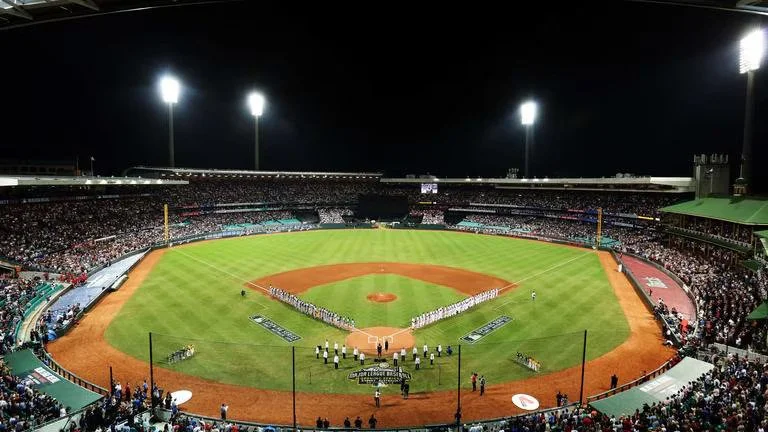
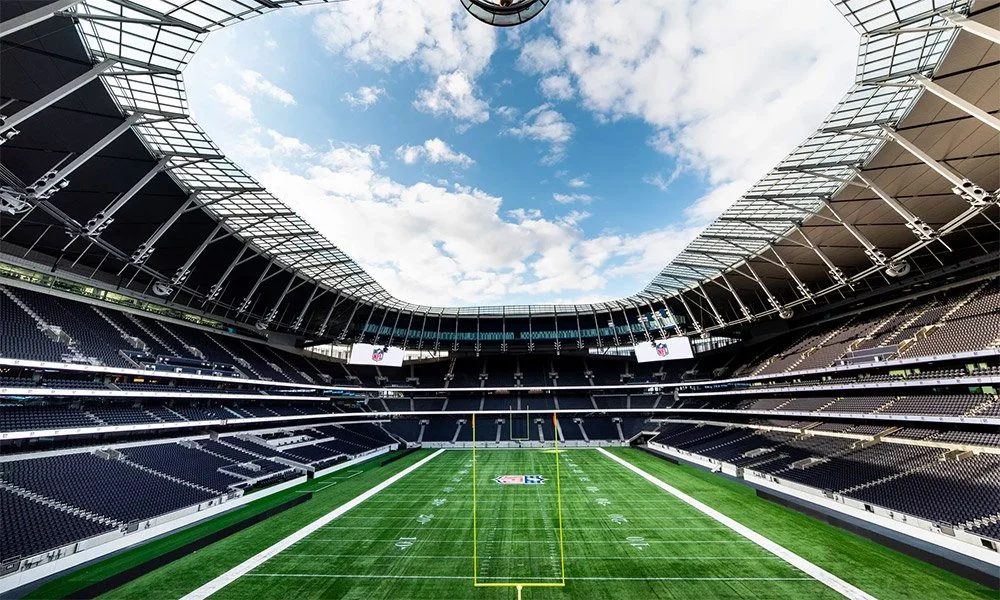
From the NFL and Major League Baseball to college athletics and soccer, every league is witnessing a transformation in how sporting venues are imagined and built. These sports stadium construction projects are massive entertainment ecosystems designed to deliver unforgettable fan experiences.
America has long been at the forefront of mega sports construction projects, setting global benchmarks for size, sustainability, and sophistication. Modern arenas such as SoFi Stadium in Los Angeles and Allegiant Stadium in Las Vegas have redefined what it means to host world-class events, blending digital innovation with eco-friendly design principles.
Today, we will explore America’s most remarkable stadium construction projects — from the latest breakthroughs to the future stadium construction projects shaping the next generation of U.S. sports experiences.
The evolution of stadium construction projects
The journey of stadium building in America spans over a century of transformation:
| Era | Stadium Type | Key Features | Example |
|---|---|---|---|
| Early 1900s | Classic Ballparks | Wooden stands, open-air design | Original Yankee Stadium |
| Mid-1900s | Concrete Giants | Bigger seating, better durability | Dodger Stadium, Candlestick Park |
| 1990s–2000s | Multipurpose Arenas | Retractable roofs, digital boards | AT&T Stadium |
| 2020s–Future | Smart & Sustainable Venues | Eco-design, AI integration, fan zones | SoFi Stadium, Allegiant Stadium |
Stadiums have grown alongside the nation, reflecting its cultural and technological shifts.Their evolution tells a larger story of American identity.
The rise of stadium construction projects in America
A generation ago, a sports stadium was a place to watch a game. Today, it’s a full-blown entertainment ecosystem — a retail hub, a restaurant destination, a concert venue, and a technological marvel. The transformation has been steady but decisive.
1. The Economic Boost Behind Modern Stadiums
Every major US sports complex construction is backed by one clear driver: money.
Cities and teams recognize the potential of new stadiums to inject billions into local economies. A single large stadium can:
Create thousands of construction jobs and permanent hospitality positions.
Attract tourism, sports events, and global broadcasts.
Spur hotel, restaurant, and retail growth nearby.
Increase surrounding property values.
This ripple effect has made sports facility construction a top priority for civic leaders, especially in cities trying to rejuvenate older industrial zones or suburban areas.
2. Fans Expect More
The digital era changed everything about fan behavior. Modern sports fans want experiences that match their digital lifestyles: seamless Wi-Fi, app-based food orders, instant replays, and even augmented reality features.
Older stadiums built in the 1970s and 1980s simply can’t keep up. They lack the space and structure for the tech integration modern audiences expect. That’s why teams are pushing for new stadium projects USA, designed around the fans of the future.
Retractable roofs, immersive LED displays, and luxury lounges are now baseline expectations. In many ways, these stadiums are competing less with each other and more with fans’ home entertainment systems. If fans can watch a 4K stream on a 75-inch TV at home, the stadium has to deliver something even better — energy, community, and technology combined.
3. The Power of Branding and Prestige
Owning or hosting a team with a state-of-the-art venue is a powerful status symbol. For franchises, a stadium is more than a place to play — it’s a global calling card.
A cutting-edge arena signals success, attracts top athletes, and strengthens fan loyalty. From naming rights deals to exclusive corporate partnerships, stadium building in America has become a branding powerhouse. Companies spend millions just to have their names on these structures.
The core of sports stadium construction projects
What makes a sports stadium construction project successful today is far more complex than simply pouring concrete and installing seats. Each project is an innovative task — balancing creativity, sustainability, technology, and community purpose.
Sustainable Design
Sustainability has moved from “nice-to-have” to “must-have.” LEED-certified stadiums are becoming the norm, integrating solar panels, energy-efficient lighting, water recycling, and green roofing.
Mercedes-Benz Stadium in Atlanta, for instance, became the first professional sports stadium in the U.S. to achieve LEED Platinum certification. Its design uses renewable energy, reduces water consumption by millions of gallons annually, and captures rainwater runoff — a milestone in stadium building in America.
Smart Technology and Digital Integration
The next phase of American sports infrastructure is fully digital. Stadiums are becoming “smart buildings,” equipped with sensors, data analytics, and automation systems that manage crowd flow, temperature, lighting, and security in real time.
At Allegiant Stadium, fans use a mobile app for almost everything: tickets, food orders, navigation, and parking. This digital-first design streamlines logistics and enhances the fan experience — a major leap forward in sports facility construction.
Architectural Innovation
Modern large stadium construction project designs are architectural icons. These venues often include movable seating, adaptable stages for concerts, and even shared spaces with surrounding developments.
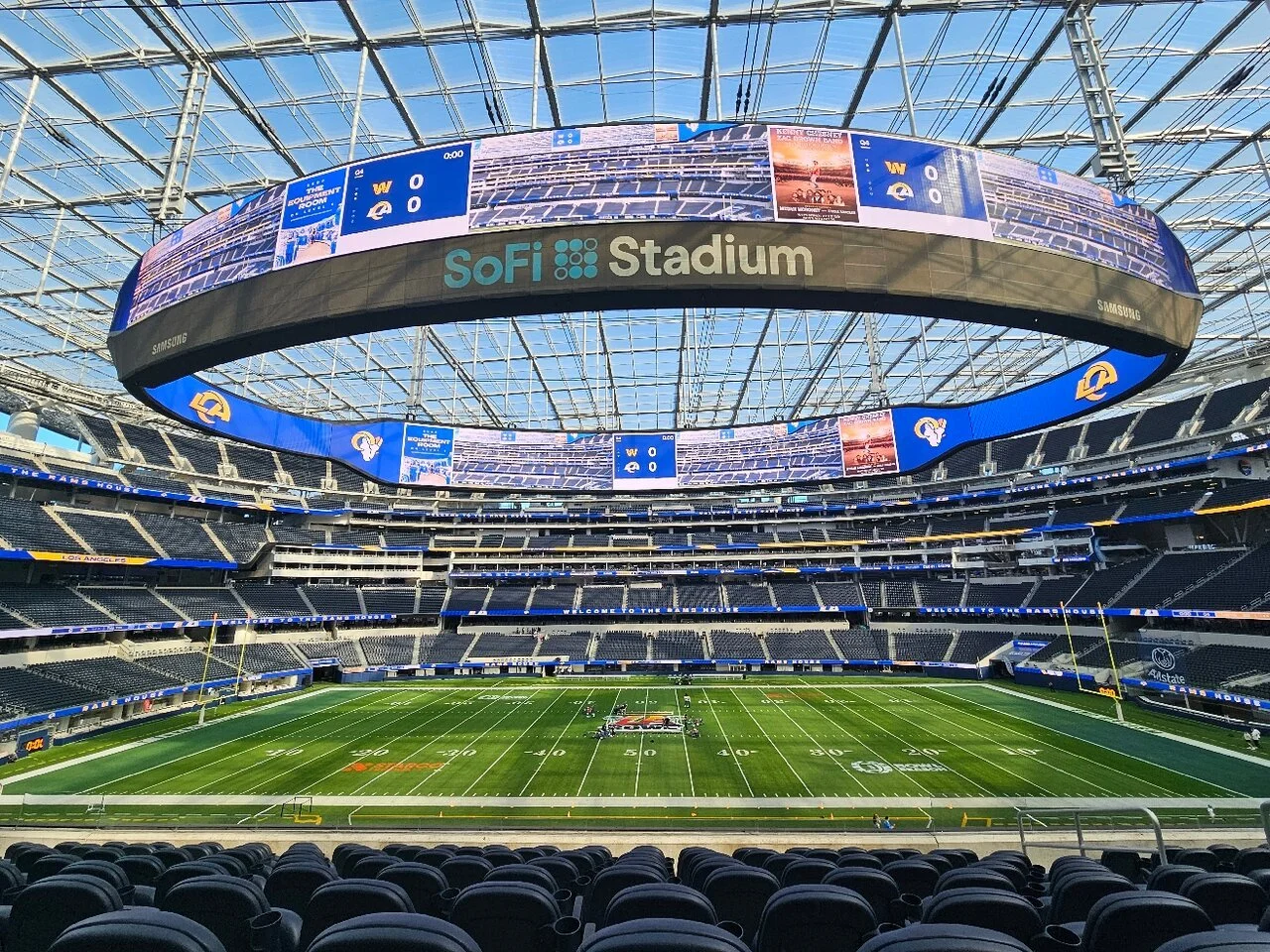
SoFi Stadium’s transparent ETFE roof, for instance, filters sunlight and keeps spectators cool without closing off the venue. These design advances make each mega sports construction project not only an engineering marvel but a cultural landmark.
Remarkable new stadium projects in the USA
America is witnessing a surge in breathtaking new stadium projects. These state-of-the-art facilities are redefining what it means to experience live sports in the 21st century.
Inglewood, CaliforniaSoFi Stadium
Valued at over $5.5 billion, SoFi Stadium is one of the most ambitious stadium construction projects ever completed. Home to the Los Angeles Rams and Chargers, it boasts a fully retractable roof, immersive LED video boards, and eco-friendly cooling systems — a true icon of American sports infrastructure.
The facility seats over 70,000 (expandable to 100,000 for major events) and features a massive 4K infinity video board suspended above the field. It’s also a prime example of mega sports construction projects driving regional economic growth, with the stadium contributing billions to California’s GDP since its opening.
Las Vegas, NevadaAllegiant Stadium
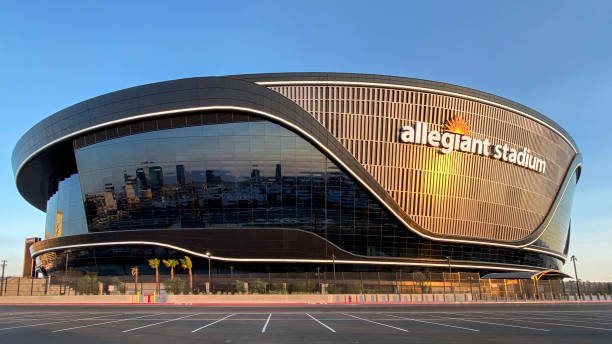
When the Raiders moved from Oakland to Las Vegas, the city got more than a football team — it got an architectural icon. Completed in 2020, Allegiant Stadium cost nearly $2 billion and seats 65,000 fans.
The striking black-glass Allegiant Stadium has turned Las Vegas into a sports destination. It hosts NFL games, concerts, and global events, symbolizing the success of modern mega sports construction projects.
Atlanta, GeorgiaMercedes-Benz Stadium
Although not new, the Mercedes-Benz Stadium continues to evolve, setting new standards for sports stadium construction projects. Since its 2017 debut, it has hosted major events like the Super Bowl, College Football Playoff, and MLS Cup finals.
A marvel of engineering and sustainability, Mercedes-Benz stadium features a unique retractable roof and holds the distinction of being the first LEED Platinum-certified sports facility in the world — a milestone for sustainable stadium building in America. The build cost for this gigantic stadium was more than $ 1.6 Billion.

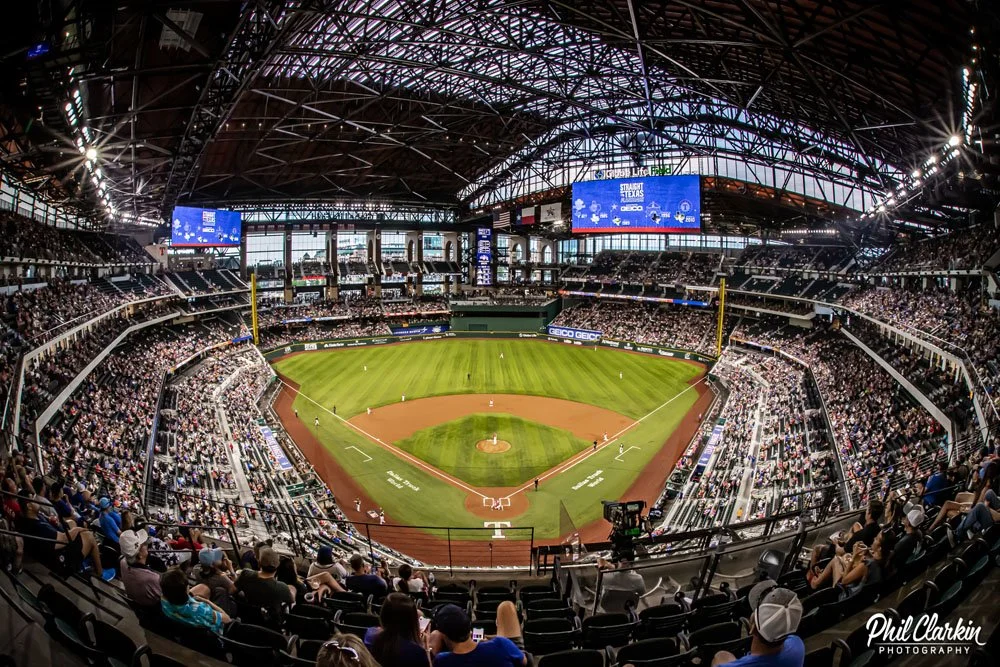
Arlington, TexasGlobe Life Field
Designed for optimal comfort, this stadium includes a retractable roof and advanced air-conditioning systems, representing the future of sports facility construction for all-weather fan experiences. This large stadium construction project has a seating capacity of around 40,300.
Opened in 2020 at a cost of $1.2 billion, the stadium showcases how advanced engineering and fan-first design are shaping sports stadium construction projects across the country.
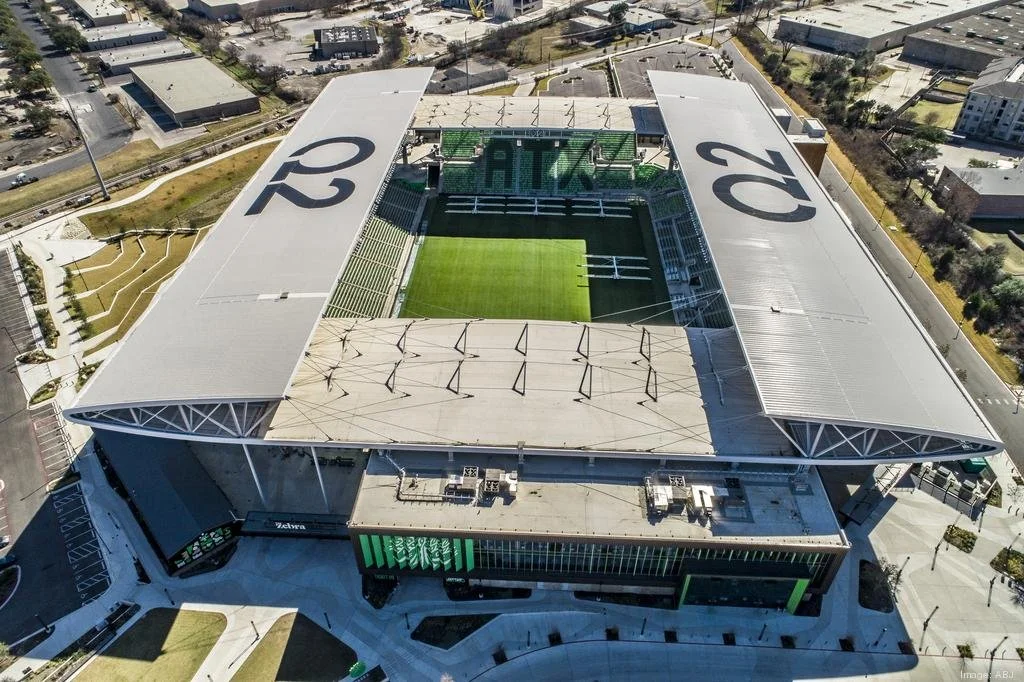
Austin, TexasQ2 Stadium
Q2 Stadium, located in Austin, Texas, is a state-of-the-art, soccer-specific venue and home to Major League Soccer’s Austin FC. It was opened in June 2021 with a seating capacity of 20,500, the $260 million stadium was designed by Gensler and built by Austin Commercial.
Q2 Stadium highlights the growing diversity of US sports complex construction, focusing on community engagement and modern fan interaction.
Key Highlights
Average project cost: $1.5B+
Seating capacity: 20,000–100,000 depending on venue
LEED or sustainability certification in 80% of new projects
Economic impact: Each project generates $400–600M in indirect revenue in first 5 years
Urban Transformation
Many cities use stadiums as anchors for massive redevelopment zones. What begins as a sports investment often turns into a wider infrastructure project: improved transit, utilities, and green spaces.
For example, Inglewood’s SoFi Stadium didn’t just create a venue; it created an entirely new district with shops, hotels, housing, and entertainment. This model is spreading — stadium construction projects are now a major tool in urban renewal policy.
Job Creation and Economic Opportunity
Each mega sports construction project employs thousands during the construction phase and hundreds permanently afterward. The skills involved — engineering, design, project management, hospitality — create lasting workforce development opportunities.
The economic footprint extends far beyond the stadium walls. Local businesses, tourism industries, and even small vendors all benefit from increased foot traffic and visibility.
For example, The Battery Atlanta — built around Truist Park — has generated more than $1 billion in new economic activity since opening. Similar results are projected for new stadium projects USA like the Buffalo Bills’ development and Nashville’s Titans stadium district.
Strengthening Civic Identity
Stadiums have always carried symbolic weight, but the latest generation does so in new ways. They embody community pride, technological innovation, and environmental progress all at once.
Cities like Las Vegas and Los Angeles have used their stadium building in America efforts to rebrand themselves as global sports destinations. Smaller markets like Buffalo and Nashville are following suit, recognizing that modern stadiums can put them on the national and international map.
These remarkable new stadium projects are catalysts for urban transformation, economic growth, and cultural pride. From technologically advanced features to eco-friendly design, each project demonstrates the evolution of stadium building in America.
The broader impact on American sports infrastructure
As these sports stadium construction projects spread across the U.S., they’re collectively reshaping what we mean by American sports infrastructure.
Future stadium projects in USA
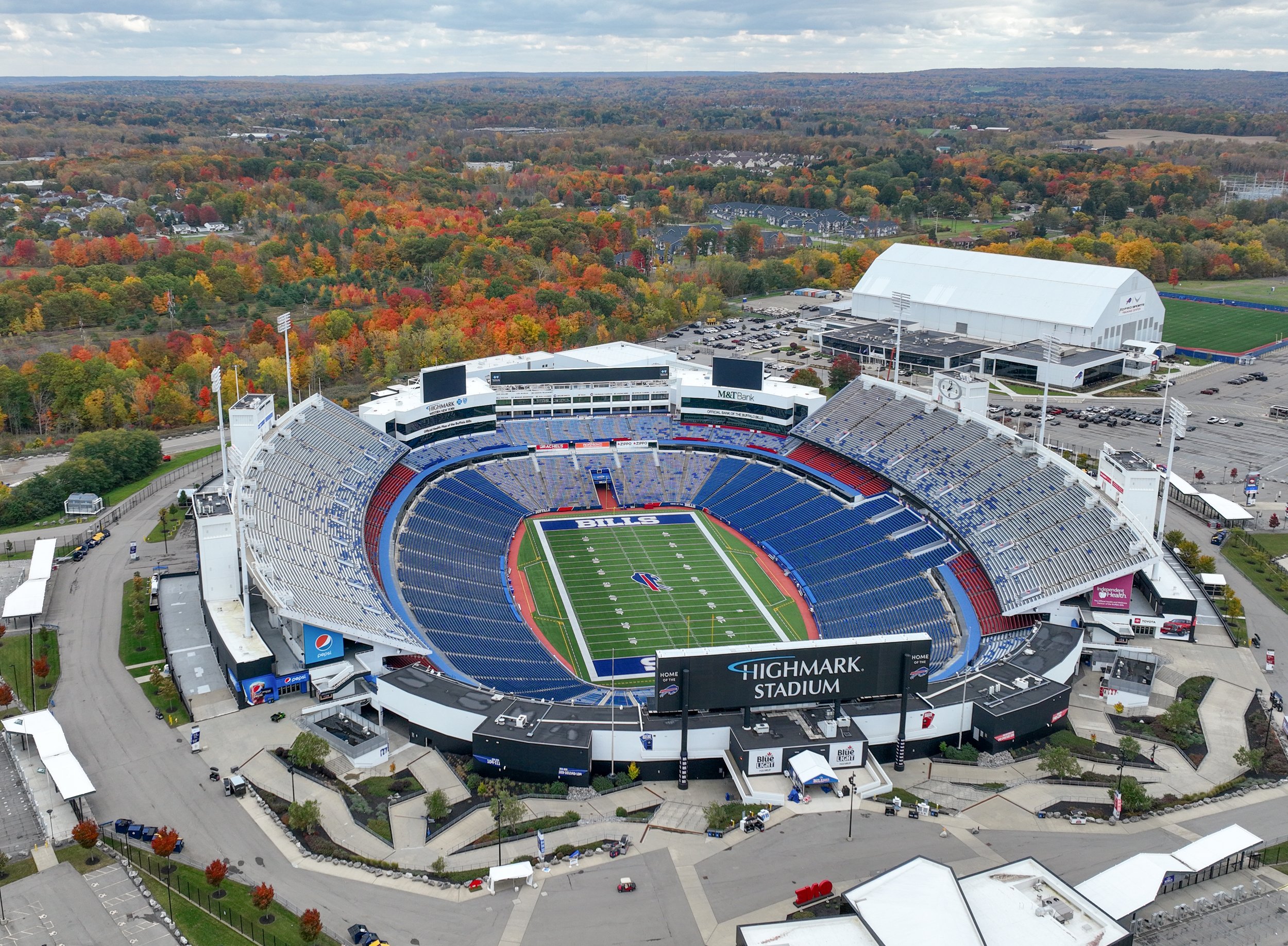
Buffalo, NYHighmark Stadium
Highmark Stadium, currently under development in Buffalo, New York, is set to become a premier open-air venue with a seating capacity of 60,000. Estimated at $1.7 billion, this stadium is expected to be completed by 2026.
This Stadium will be the home stadium for the Buffalo Bills. Designed with fan experience at the forefront, it will feature state-of-the-art amenities, optimized sightlines, and improved access for spectators. The open-air design allows for natural ventilation and connection to the surrounding cityscape, making it both a sports arena and a community hub.
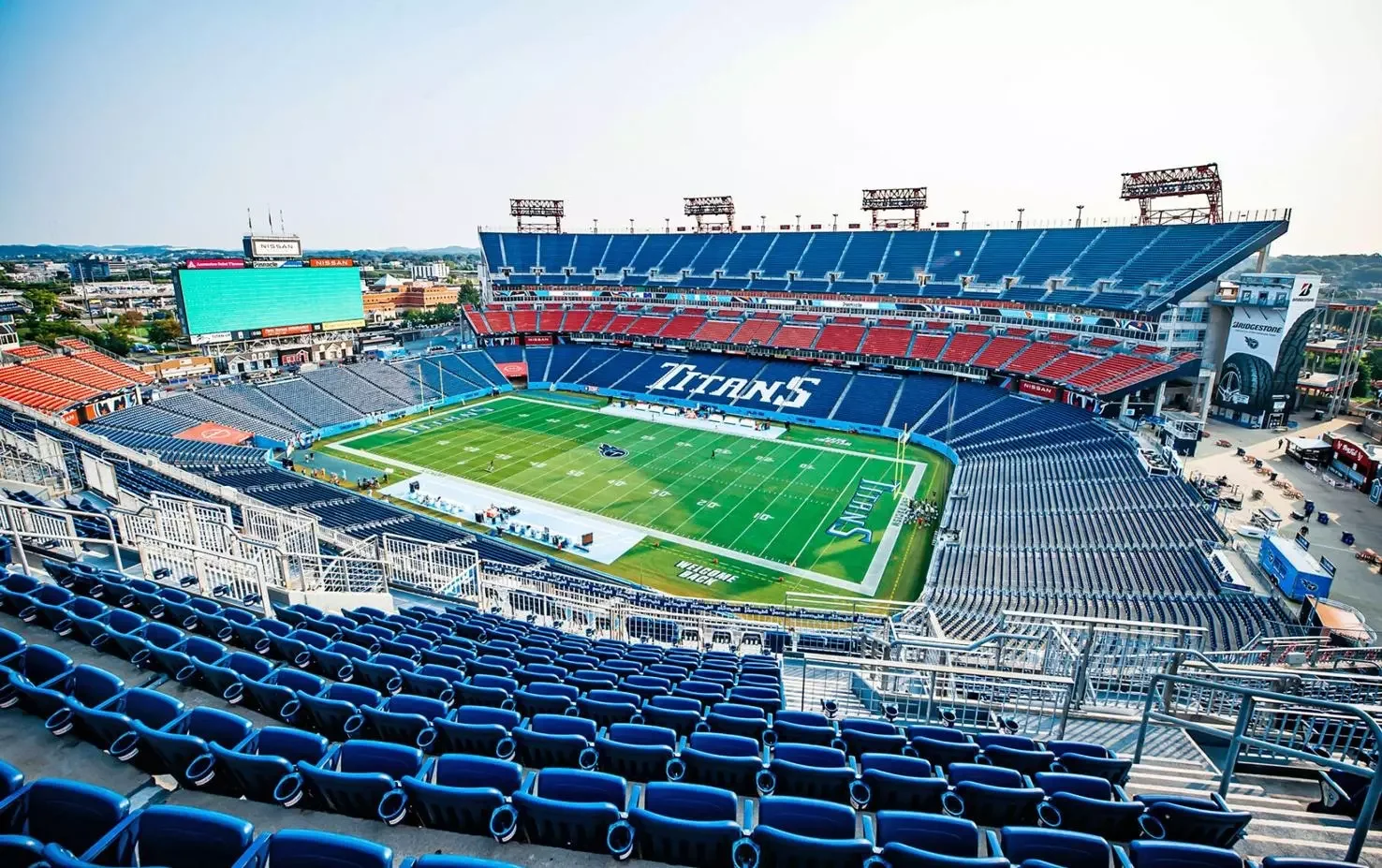
Nashville, TNTitans Stadium
The new Titans Stadium in Nashville, Tennessee, is a $2.1 billion project slated for completion in 2027, with a capacity of 60,000 spectators. Its futuristic dome and mixed-use campus will combine advanced technology, luxury suites, and integrated retail and hospitality spaces.
The stadium will serve as a multi-functional venue, capable of hosting NFL games, concerts, and other major events. Titans Stadium will set a new benchmark for mega sports construction projects in the southern United States.
Arlington Heights, ILChicago Bears Stadium
The Chicago Bears are planning a $5 billion, domed stadium in Arlington Heights, Illinois, expected to open by 2029. Built on the former Arlington Park racetrack, the stadium will be part of a larger entertainment district.
The Bears have committed over $2 billion to the project and are seeking $855 million in public infrastructure investment. The development is projected to create more than 56,000 construction job years and over 9,000 permanent jobs. The new venue aims to host major events like the Super Bowl and the Final Four.

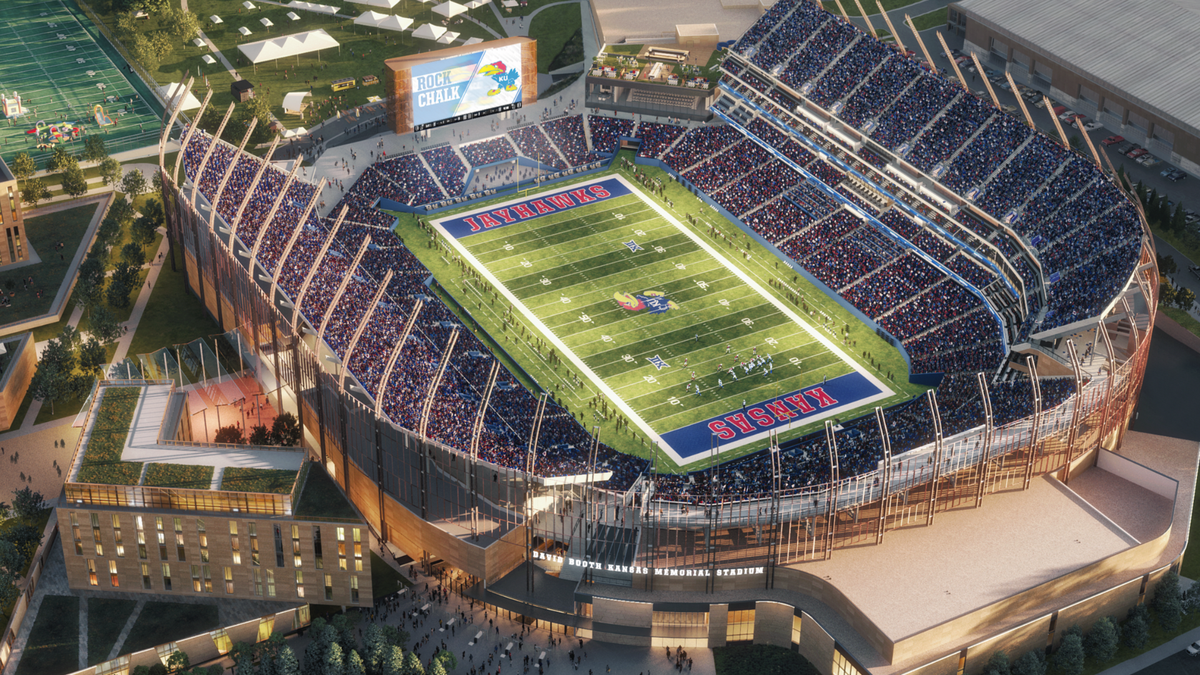
University of KansasMemorial Stadium Renovation
The University of Kansas is undergoing a significant renovation of its Memorial Stadium, with Phase 1 completed in time for the 2025 football season. The upgrades include a massive new video display measuring 52 by 100 feet, featuring advanced 13HD pixel technology.
Additionally, two ribbon displays have been installed to enhance the viewing experience. The renovations aim to improve fan engagement and game-day experiences, with further phases planned to continue enhancing the stadium's facilities.
Las Vegas, NevadaOakland Athletics’ New Ballpark
Another headline-making entry among future stadium construction projects is the Oakland Athletics’ planned move to Las Vegas. The new $1.5 billion ballpark will mark a fresh chapter in both franchise history and American sports infrastructure.
Scheduled for completion in 2028, the 33,000-seat stadium will sit on the site of the former Tropicana Hotel, right on the iconic Las Vegas Strip. The design features a retractable roof, sweeping views of the skyline, and a compact, fan-centric seating layout that prioritizes atmosphere over sheer capacity.
Las Vegas has quickly become a hub for sports stadium construction projects, with Allegiant Stadium, T-Mobile Arena, and now the A’s ballpark forming a world-class sports corridor.

New Commanders Stadium
Projected to cost around $3.7 billion, this multi facility stadium will be ready in 2030. It is going to be the home venue for the Washington commanders and will have a capacity of around 65000. The stadium will host NFL games, concerts, and other major events, serving as both a cultural and economic hub for the city.
By 2035, America could see more than 20 new or fully renovated major sports venues. This wave of sports stadium construction projects will likely reshape entire cities.

We’ll see:
Hybrid stadiums that double as tech hubs.
Eco-positive designs that generate their own energy.
Virtual and augmented reality experiences for remote fans.
Integration with public transport and urban living.
The future stadium construction projects will not only change how sports are played and watched — they’ll change how cities function.
Conclusion
The U.S. is entering a golden age of stadium building in America, where sports, technology, and architecture merge to create experiences unlike anything seen before.
These sports stadium construction projects are more than engineering feats; they’re cultural investments that tell the story of modern America — ambitious, innovative, and constantly evolving.
From mega sports construction projects like SoFi and Allegiant to smaller community-focused facilities, every development adds to the strength and diversity of American sports infrastructure. The trend is clear: stadiums are no longer just venues. They’re living, breathing ecosystems that connect people, power economies, and shape cities.
As new stadium projects USA continue to rise and future stadium construction projects break ground, one truth stands out — these structures reflect more than athletic passion. They represent the nation’s enduring drive to build bigger, smarter, and better for generations to come.
FAQ
1. How much does it cost to build a modern sports stadium in the U.S.?
Modern stadium construction projects in the U.S. typically cost between $1 billion and $5.5 billion+, depending on size, technology, and location. For example, SoFi Stadium cost over $5.5 billion, making it one of the most expensive stadiums ever built.
2. Why are new stadium construction projects so expensive?
Costs are driven by advanced technology, premium fan experiences, sustainability features, and large-scale infrastructure. Modern stadiums include retractable roofs, massive LED displays, luxury suites, and smart systems that significantly increase project budgets.
3. What are the biggest stadium construction projects in the U.S.?
Some of the most notable projects include SoFi Stadium, Allegiant Stadium, and Mercedes-Benz Stadium. These projects set benchmarks for scale, innovation, and fan experience.
4. What are the major future stadium projects in the U.S.?
Upcoming developments include the new Highmark Stadium, the Tennessee Titans New Stadium, and the proposed Chicago Bears Stadium—all multi-billion-dollar projects shaping future sports infrastructure.
5. How long does it take to build a large stadium?
Most large stadium construction projects take 3 to 5 years from groundbreaking to completion, depending on complexity, design, and regulatory approvals.
6. How many jobs do stadium construction projects create?
Mega stadium construction projects can create thousands of construction jobs and hundreds of permanent roles in operations, hospitality, and maintenance. Large developments can also generate tens of thousands of indirect jobs in surrounding areas.
Skillit connects craft workers with construction companies for great job opportunities
Build a complete profile and be found by top construction companies today.