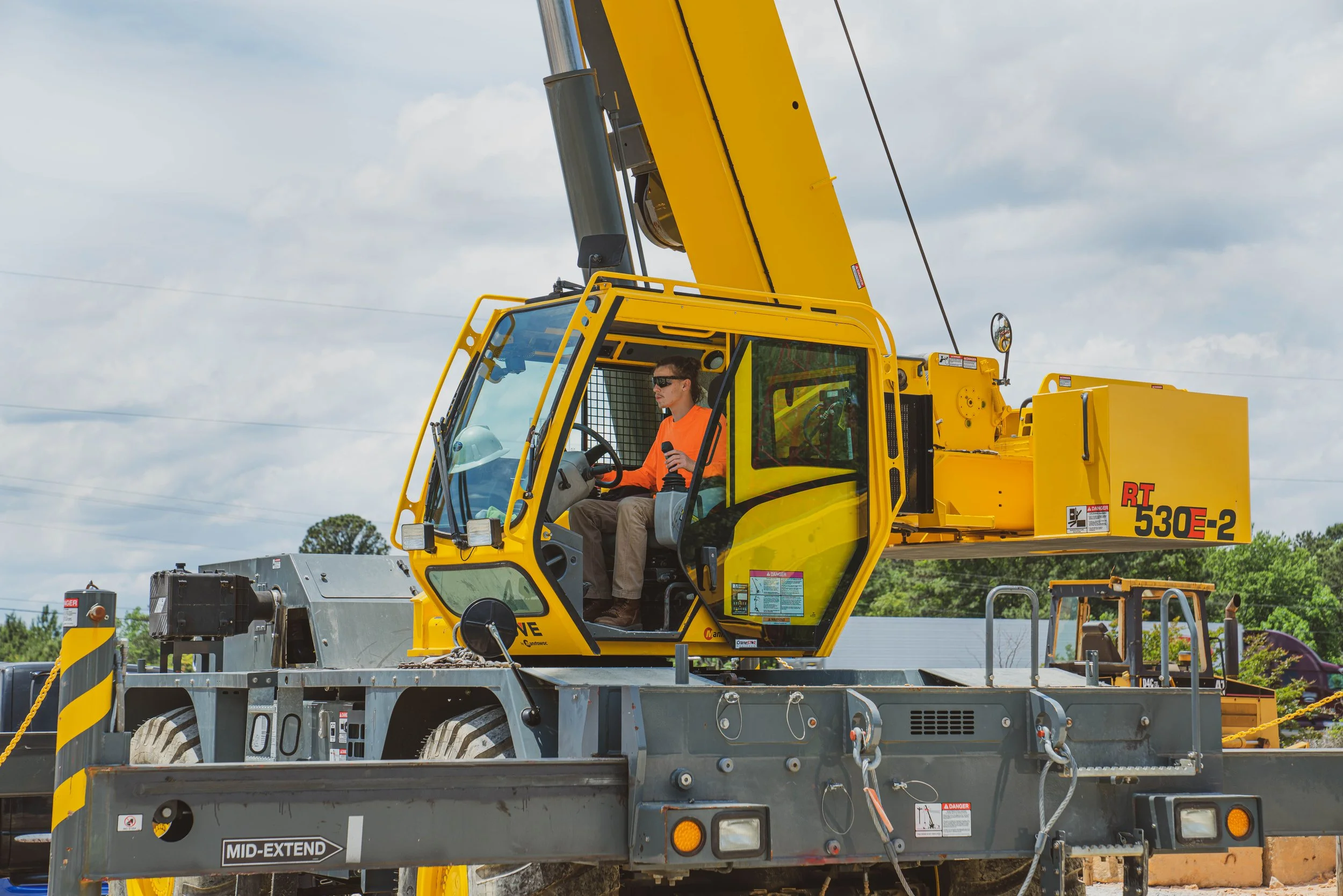
Heavy equipment operator jobs are not desk jobs. Whether you are in the cab or on the ground, you are part of the crew that gets the project moving.
If roads are being built, foundations are being dug, or utilities are being installed, operators are at the center of it. And right now, contractors across the country need skilled people who can run equipment safely and keep jobs on schedule.
If you are looking at heavy equipment operator jobs, here is what actually matters: what you will make, what you need to know, and what gets you hired.
What Are Heavy Equipment Operator Jobs?
Heavy equipment operator jobs involve running large construction machinery on active job sites. That includes excavators, bulldozers, loaders, cranes, graders, and paving equipment.
Your job is to:
Move dirt and materials with precision
Read grade stakes and basic plans
Work closely with ground crews
Inspect equipment before operating
Follow safety rules every shift
This is not general labor. Operators are trusted with expensive machines and tight timelines. If you make a mistake, it costs time and money.
Contractors are not just hiring someone who can pull levers. They are hiring someone who understands the job site.
Types of Heavy Equipment Operator Jobs
The machine you run affects your pay and your career path. Specializing often means better opportunities.
Excavator Operator Jobs
Excavator operators handle trenching, foundations, and utility work. These roles are everywhere: Residential builds, commercial sites, and infrastructure projects. If you can dig clean lines and hold grade, you will stay busy.
Bulldozer Operator Jobs
Bulldozer operators clear land and shape sites. Road crews and large-scale construction projects rely on strong dozer operators. Contractors look for operators who can move material efficiently without tearing up the site.
Crane Operator Jobs
Crane operator jobs usually require extra certification. They also tend to pay more.
You are lifting steel, concrete, and heavy materials above active crews. Precision and communication matter every second.
Loader and Backhoe Operator Jobs
These machines are common on smaller job sites. Versatility helps here. Contractors value operators who can jump between tasks without slowing production.
Paving and Road Equipment Operator Jobs
If you run asphalt pavers, rollers, or motor graders, you are part of road crews and highway projects. These jobs can be steady in regions with ongoing infrastructure work. The more equipment you can run confidently, the more valuable you are.
Heavy Equipment Operator Salary: What Can You Earn?
Heavy equipment operator salary depends on experience, location, and equipment type.
Most operators earn:
$20 to $40 or more per hour
$45,000 to $85,000 or more per year
Experienced crane operators and union equipment operators often earn above that range, especially with overtime.
What Impacts Your Pay?
Contractors look at:
Years of experience
Type of equipment you can operate
Certifications
Safety record
Reliability
Location matters too. Areas with strong infrastructure projects or rapid development usually offer higher wages.
If you are searching for heavy equipment operator jobs near you, compare local pay rates and active construction projects. The work tends to follow the money.
Skills Contractors Look for in Heavy Equipment Operator Jobs
You do not get hired just because you completed a course. Contractors hire operators who can perform on a live job site.
Technical Skills That Matter
Smooth hydraulic control
Ability to hold a grade
Reading basic plans and site markings
Understanding load limits
Daily equipment checks
If you can operate efficiently without constant supervision, you become a strong hire.
Job Site Skills That Get You Rehired
Clear communication with ground crews
Situational awareness
Staying focused for long shifts
Showing up on time
Contractors talk. If you are dependable, your name travels.
Safety Knowledge
Heavy equipment operator jobs require strict adherence to safety protocols.
You should understand:
OSHA standards
Machine safety procedures
Hazard recognition
Lockout and tagout basics
A strong safety record keeps you employed.
Education, Training, and Certification Requirements
You do not need a college degree to land heavy equipment operator jobs. You do need training and proof that you know what you are doing.
Most employers expect:
High school diploma or GED
Valid driver’s license
Basic safety training
Training Options
Operators usually come from:
Trade schools
Equipment operator training programs
Apprenticeships
Apprenticeships combine classroom instruction with paid, hands-on experience. Real-world experience matters when applying for jobs.
Do You Need a CDL?
Some heavy equipment operator jobs require a Commercial Driver’s License if transporting machinery between sites. Requirements vary by state and employer.
Certifications That Help
OSHA 10 or OSHA 30
Crane certification for crane operator jobs
Equipment-specific endorsements
Certifications show contractors you take the trade seriously.
How to Become a Heavy Equipment Operator
If you want steady heavy equipment operator jobs, follow a clear plan.
Step 1: Meet Basic Requirements
Be at least 18 years old and hold a valid driver’s license.
Step 2: Complete Hands-On Training
Enroll in a training program or apprenticeship. Time in the cab is what builds confidence and skill.
Step 3: Get Certified
Complete OSHA training and any equipment-specific certifications needed for your target role.
Step 4: Gain Experience
Start where you can with smaller machines and entry-level operator roles. Be prepared to prove yourself.
Step 5: Apply for Heavy Equipment Operator Jobs
Look for:
Local contractors
Infrastructure companies
Equipment rental firms
Skilled trade hiring platforms like Skillit
Once you start applying for heavy equipment operator jobs, be ready for site-specific questions about safety, experience, and reliability. When contractors need operators, they don't spend weeks browsing generic job boards. They want qualified workers fast. Position yourself where they are actively searching.
Job Outlook for Heavy Equipment Operator Careers
Infrastructure repair, road expansion, housing development, and utility upgrades continue to drive demand for heavy equipment operator jobs.
Contractors are dealing with workforce shortages and long-term workforce planning challenges, which is increasing demand for trained heavy equipment operators. There is also a wave of experienced operators nearing retirement. That opens the door for trained workers to step into the trade.
If you build your skills and maintain a strong safety record, there is long-term opportunity in this field.
Where to Find Heavy Equipment Operator Jobs
Finding heavy equipment operator jobs is not about sending out random applications. It is about getting in front of contractors who are hiring now.
Focus on:
Direct applications to construction companies
Apprenticeship programs
Union halls
Trade-specific job boards
Skilled labor hiring platforms
Construction-focused platforms connect you directly with employers who need operators. That shortens the hiring process and cuts out the noise.
Is a Heavy Equipment Operator Career Right for You?
Heavy equipment operator jobs offer:
Strong hourly wages
Overtime opportunities
Clear advancement paths
Hands-on, practical work
You will also face:
Outdoor work in all weather
Early start times
Physically demanding environments
Seasonal slowdowns in some regions
If you prefer being on a job site instead of behind a desk and want to build real skills that translate into steady pay, this trade can deliver.
Ready to Start Applying for Heavy Equipment Operator Jobs?
Contractors are hiring operators who can show up, work safely, and keep projects moving.
If you have the training and the right mindset, do not sit on it. Build your profile, highlight your certifications, and get in front of employers looking for skilled equipment operators.
Heavy equipment operator jobs reward precision, reliability, and consistency. Bring those to the table, and you will find work.