How to Become an Electrician (Pay, Training & Career Path)
If you’re researching how to become an electrician, you’re probably asking a few practical questions:
How long does it take?
What training do I need?
How much do electricians make?
Is it worth it long term?
Fair questions. The good news: this is a career with a clear path, steady demand, and strong earning potential, without a four-year degree requirement.
Here’s exactly how the process works, step by step.
What Does an Electrician Do?
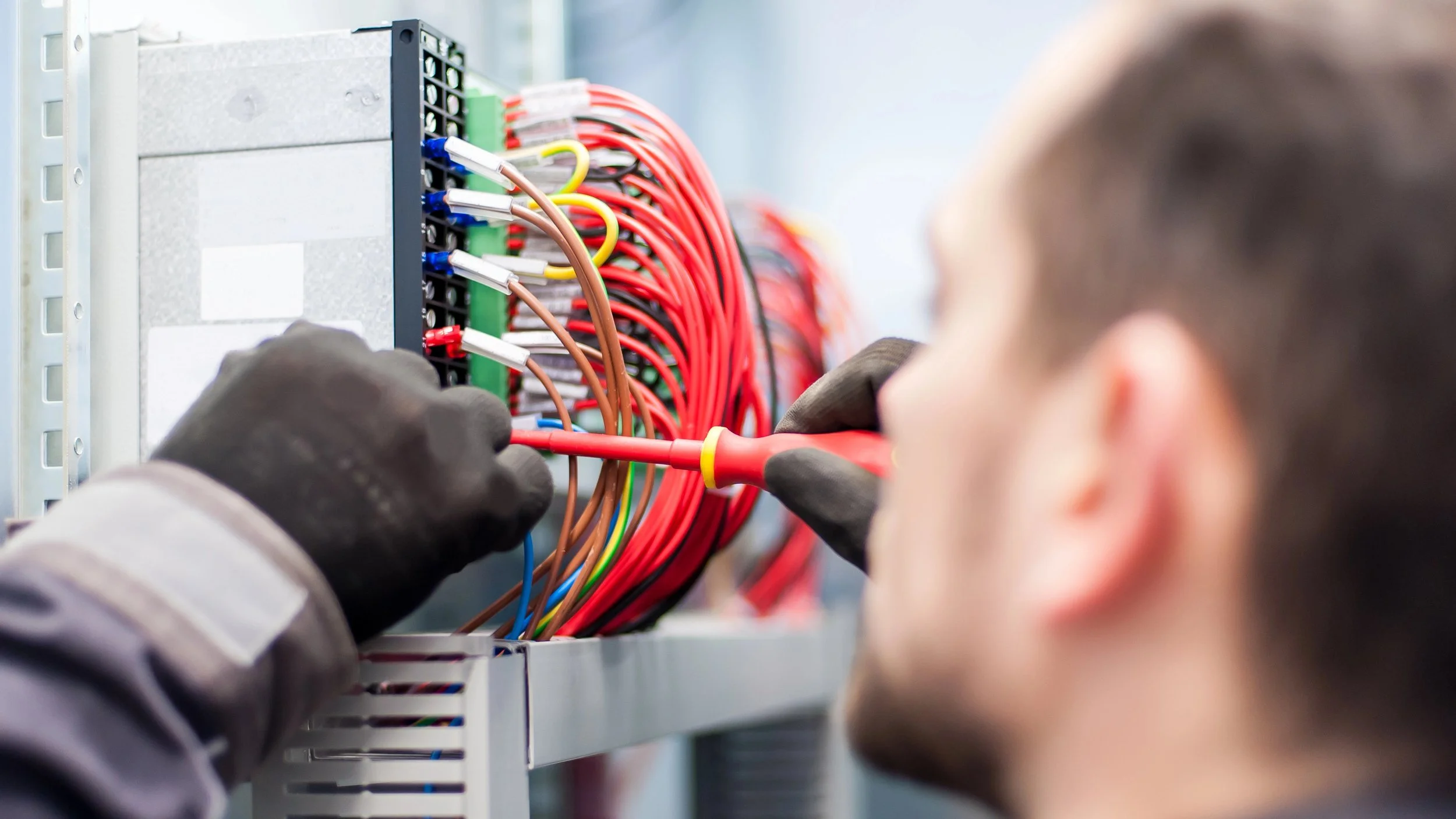
Electricians install, maintain, and repair electrical systems in homes, commercial buildings, and industrial facilities.
Day-to-day work can include:
Installing wiring, outlets, lighting, and circuit breakers
Reading blueprints and technical diagrams
Diagnosing electrical problems
Repairing or replacing damaged systems
Meeting local and national electrical code requirements
Some electricians focus on residential work. Others work on large commercial projects, factories, or infrastructure.
The common thread? Skilled, hands-on work that keeps buildings powered and safe.
Step 1: Earn a High School Diploma or GED
Every path to becoming an electrician starts here.
Math matters more than most people think. You’ll use algebra and basic calculations regularly. Physics and shop classes help, but they aren’t required.
If you’re comfortable with numbers and like working with your hands, you’re already on solid ground.
Step 2: Attend Trade School (Optional but Helpful)
Trade school isn’t mandatory, but it can give you a competitive edge when applying for apprenticeships.
Most electrician training programs cover:
Electrical theory
Blueprint reading
National Electrical Code basics
Safety practices
Hands-on wiring labs
Programs typically last 6 months to 2 years. Graduates often move into apprenticeships with foundational knowledge, making the first year less overwhelming.
For many people, this route offers a faster return on investment than a traditional four-year degree.
Step 3: Complete an Electrician Apprenticeship
This is the core of how to become an electrician.
An apprenticeship combines paid on-the-job training with classroom instruction. You’ll work under a licensed electrician while logging required hours.
Most apprenticeships last 4 to 5 years and include:
Around 8,000 hours of hands-on experience
500 to 1,000 hours of classroom training
You earn a paycheck the entire time. Apprentices typically start at a percentage of a journeyman electrician’s wage. Pay increases as you gain experience and complete milestones.
Finding the right employer makes a difference. Hiring platforms can help connect aspiring and experienced tradespeople with construction companies that are actively hiring, helping you move from searching to working faster.
Step 4: Get Your Electrician License
After completing your apprenticeship, you’ll need to pass a licensing exam in your state.
While requirements vary, most exams test:
Electrical theory
Local and national electrical codes
Safety regulations
Once you pass, you become a journeyman electrician. That means you can work independently on most projects.
If you’re serious about building a long-term career, this milestone opens real earning potential.
Step 5: Advance to Master Electrician
After several years as a journeyman, you can pursue master electrician status.
Master electricians often:
Supervise crews
Design electrical systems
Pull permits
Run their own businesses
More responsibility usually means higher income and greater control over your schedule.
How Long Does It Take to Become an Electrician?
Most people become licensed journeyman electricians in about 4 to 5 years.
Typical timeline:
Trade school (optional): 6 months to 2 years
Apprenticeship: 4 to 5 years
If you go straight into an apprenticeship, you can reach licensing in roughly four years while earning income.
This is not a quick certification. It’s structured training that builds real skill and long-term stability.
How Much Do Electricians Make?
An electrician's salary depends on location, experience, and specialization.
In general:
Apprentices earn while training
Journeyman electricians often earn strong middle-class wages
Master electricians can earn significantly more, especially if self-employed
Overtime, union benefits, and specialized certifications can increase pay further.
Construction growth, infrastructure upgrades, and energy projects continue to create demand. Skilled electricians remain essential across residential, commercial, and industrial sectors.
What Skills Do You Need to Become an Electrician?
Success in this trade requires more than technical knowledge.
You’ll need:
Attention to detail
Problem-solving ability
Physical stamina
Basic math skills
Strong safety awareness
Electricity is not forgiving. Precision matters. So does discipline.
If you enjoy hands-on work and solving practical problems, this field rewards consistency and skill.
Is Becoming an Electrician Worth It?
For many people, yes.
You gain:
A clear career path
Paid training
Strong earning potential
Long-term job security
The option to start your own business
Skilled trades continue to face workforce shortages, which creates an opportunity for new entrants who are willing to commit to the process.
This is not a fallback career. It’s a strategic one.
How to Get Started
If you’re ready to move forward:
Research apprenticeship programs in your state
Review licensing requirements
Decide whether trade school makes sense for you
Connect with employers hiring apprentices
The fastest way to break in is through real job opportunities. Hiring platforms help connect you directly with construction employers who need dependable workers now.
The path is clear: complete training, log your hours, pass your exam, and build a career that keeps the lights on.
If you’re serious about learning a trade with long-term upside, becoming an electrician is a strong place to start.